“There will be no green transition without aluminium and aluminium solutions. But for this development to be sustainable, we need to produce with as low a carbon footprint as possible,” Paul Warton, EVP Hydro Extrusions.
- Category
- Interview
- Date
- Source
- AlCircle.com
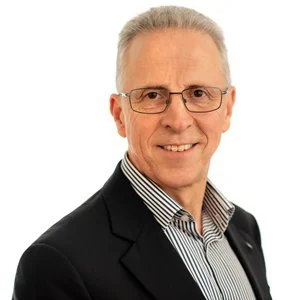
Paul Warton (born in 1961, a British citizen) is Executive Vice President and Head of Hydro Extrusions, a position he has held since 2021. Prior to that, Warton was President of Extrusions & Automotive Structures, Constellium (2010-2020).
He has 30 years of experience in the global aluminium and extrusion industry, with leadership positions at Sapa, Alcoa, and Luxfer Group, as well as 10 years of experience in production and commercial management at Federal-Mogul and GKN.
Paul Warton is a member (Treasurer) of the Executive Committee of European Aluminium. Warton has an MBA from London Business School and a BSc degree in Production Engineering from the University of Birmingham.
AL Circle: Please provide your valuable insights into the current trends shaping the global aluminium extrusion market. How does Hydro Extrusions anticipate these trends evolving in the coming years?
Paul Warton: Extrusions are aluminium products that are expected to grow the most over the coming years. Extrusions are increasingly used in various sectors like building and construction, automotive and transportation, consumer durables, and electronics due to their lightweight, strong, and recyclable properties. How the market develops is always hard to predict, but in general we see a great match between industry and customer trends towards 2030 and our capabilities and offerings in extrusions and value-added offerings. Customers are increasingly demanding advanced solutions leveraging R&D, innovation, and sustainable offerings.
AL Circle: What are your projections for the growth in demand for extruded aluminium products this year? Additionally, which end-user segment do you anticipate will be the primary driver of this demand?
Paul Warton: The overall trend for extruded aluminium products is positive, and we see attractive growth in several segments across the extrusion space, including automotive (particularly e-mobility), solar, renewables and advanced industrial segments. In building and construction, the lightweight and durable properties of extruded aluminium make it ideal for doors, windows, frames, and cladding in buildings. The automotive industry is increasingly using extruded aluminium for its strength-to-weight ratio, contributing to fuel efficiency. We also expect growth in greener technology, increasing use in areas like electric vehicles, solar panels, and wind turbines.
AL Circle: Hydro Extrusions has a significant global presence. What strategies does the company employ to expand its market reach and sustainable growth? How do you plan to leverage your expertise in aluminium extrusion to capitalize on emerging opportunities in smart cities, renewable energy, transportation, etc.?
Paul Warton: The green transition is driving the demand for critical materials such as aluminium, steel, and copper. The accelerating growth in electric vehicles in Europe and the US is a good illustration of this shift, and the speed of change is a development that no one could predict only a few years back.
Huge amounts of aluminium are necessary to fuel the electrical vehicle transition, but our metal is also needed for solar parks, wind turbines, and grids for the renewable energy transition, and even more to refurbish and renovate the building sector.
There will be no green transition without aluminium and aluminium solutions. But for this development to be sustainable, we need to produce with as low a carbon footprint as possible. We now see projections for much higher growth in demand for low-carbon aluminium than the general demand in the market. In fact, there will be a 20% growth for low-carbon primary aluminium over the next years toward 2030. This is a huge opportunity for Hydro, which already has a strong position in producing low-carbon aluminium products and a clear roadmap for further reductions.
Hydro Extrusions is in a good position, and we will step up growth investments towards 2030, aiming to increase market share in Europe and North America. Growth and margin expansion will be targeted through a strong segment focus on specialized product offerings, taking advantage of attractive growth opportunities related to the green transition. As a global leader, Hydro Extrusions will aim to shape the markets for greener aluminium and partner with customers on new greener solutions.
AL Circle: Can you provide insights into the proportion of your total energy consumption that comes from renewable sources currently and what targets you have set to increase this percentage in the future?
Paul Warton: For Hydro's electrolysis process, more than 70% of the power we use comes from renewable sources. Renewable energy's share of total energy consumption in Hydro will be around 41% in 2023. Increased production, sourcing, and use of renewable energy and energy efficiency are important parts of Hydro's ongoing efforts to reduce costs and air emissions. During 2023, Hydro implemented several actions to increase energy efficiency and reduce emissions.
In Hydro Extrusions, our sites are working on different initiatives and actions to lower their emissions associated with energy and electricity consumption. As an alternative to purchasing the standard electricity mix from the grid, some plants have entered into power purchasing agreements (PPAs) with renewable power producers. Our sites worldwide are also working to improve energy efficiency through benchmarking, process improvements, and investment in new equipment. Many plants are also working with partners and governments to evaluate the possibilities of installing their own on-site renewable power generation, such as solar panels and windmills.
AL Circle: Do you expect to see any significant shifts in business or financial strategies with the change in board structure?
Paul Warton: Hydro’s strategic direction towards 2030 will remain and, going forward, will be a strong foundation with Eivind Kallevik as the new CEO. Our low-carbon efforts throughout our value chain are placing Hydro in a leading position in the green transition, providing a platform to accelerate our strategic partnerships, both in Hydro Extrusions and in Hydro in general.
Strong control of our cost position and continuous improvement efforts will remain the backbone of Hydro’s operations, combined with our unique capabilities to develop innovative technologies and commercial opportunities.
AL Circle: What target have you set for post-consumer scrap recycling in 2024? How much of it will you use to produce extruded aluminium? Will you introduce any new technologies to increase recycling volume?
Paul Warton: Hydro has a strong focus on recycling post-consumer scrap. In 2023, Hydro processed approximately 444,000 tonnes of post-consumer scrap throughout our business. We expect this to increase in the coming years. Hydro has invested heavily in the recycling segment in our Hydro Aluminium Metal and Hydro Extrusions business areas to increase the use of post-consumer scrap.
Going forward, we will collaborate even closer with our customers and develop innovative alloys and products that meet their needs. To allow even more recycling of post-consumer scrap, many upgrades have been done or are planned in our recycling casthouses, using among others, improved filter bags and emissions treatments, more bunkers for more scrap segregation, upgraded IT systems for improved recipes, increased collaboration with scrap suppliers with new sorting technologies.
AL Circle: As the demand for aluminium is reviving in the auto sector, how much improvement in Hydro’s aluminium extrusion shipment and sales do you foresee for this year?
Paul Warton: The greener transition offers strong growth opportunities for extrusions going forward. Electrifying the global car fleet requires lighter and more sustainable solutions, and extrusion has a solid seat at the table. Ducker now estimates extrusions to be the fastest-growing area within aluminium, with a compound annual growth rate (CAGR) of 8-10% in Europe and North America.
AL Circle: Geopolitical crises often have ripple effects across industries. How have Hydro Extrusions navigated through challenges posed by geopolitical uncertainties?
Paul Warton: We strongly believe in aluminium as a key metal for the green transition. Hydro responds with mitigating measures to handle short-term market volatility. Specifically, within the recycling and Hydro Extrusions, current production flexibility and adaption abilities have been utilised to manoeuvre through the falling demand we have seen over the last year.
AL Circle: Could you highlight some niche markets where Hydro Extrusions' precision tubes have made significant contributions, such as railway, heavy vehicle, and geothermal segments?
Paul Warton: Our precision tubes are used in heating and cooling solutions and HVAC systems, and we provide aluminium cables for power transfer. Hydro Extrusions' precision tubes also contribute to lighter weight and technology development in transportation in general, improving efficiency across the industry. In recent years, we have also seen a large potential in products where copper tubes have so far been the conventional material. Aluminium tubes have received increased interest in HVAC&R as well as for e-mobility.

