“The electricity generated by Tonstad Vindpark will allow for Norsk Hydro to produce approximately 50,000 tons of aluminium,” Henriette Sarah Holberg, Head of Communications, TONSTAD Vindpark

- Category
- Interview
- Date
- Source
- AlCircleNews
- Edited By
- Beethika Biswas
Project Tonstad is an under construction wind farm in the south of Norway and will be one of the largest in the country. Once complete, the project will supply all electricity generated, to the Norwegian aluminium producer Hydro through an off-take agreement.
Henriette Sarah Holberg is the Head of Communications for TONSTAD Vindpark AS. She holds an MSc in Management, Organisations and Governance from the London School of Economics and Political Science. She is interested in the fields of renewable energy and international development; she has worked within hydropower and wind energy in both government and private sectors, in Norway and abroad. She spoke to AlCircle on the current status of the project and its significance as a green energy project and its role in the Norwegian aluminium sector.
AlCircle: Tell us in brief about Project Tonstad currently under construction in the south of Norway?
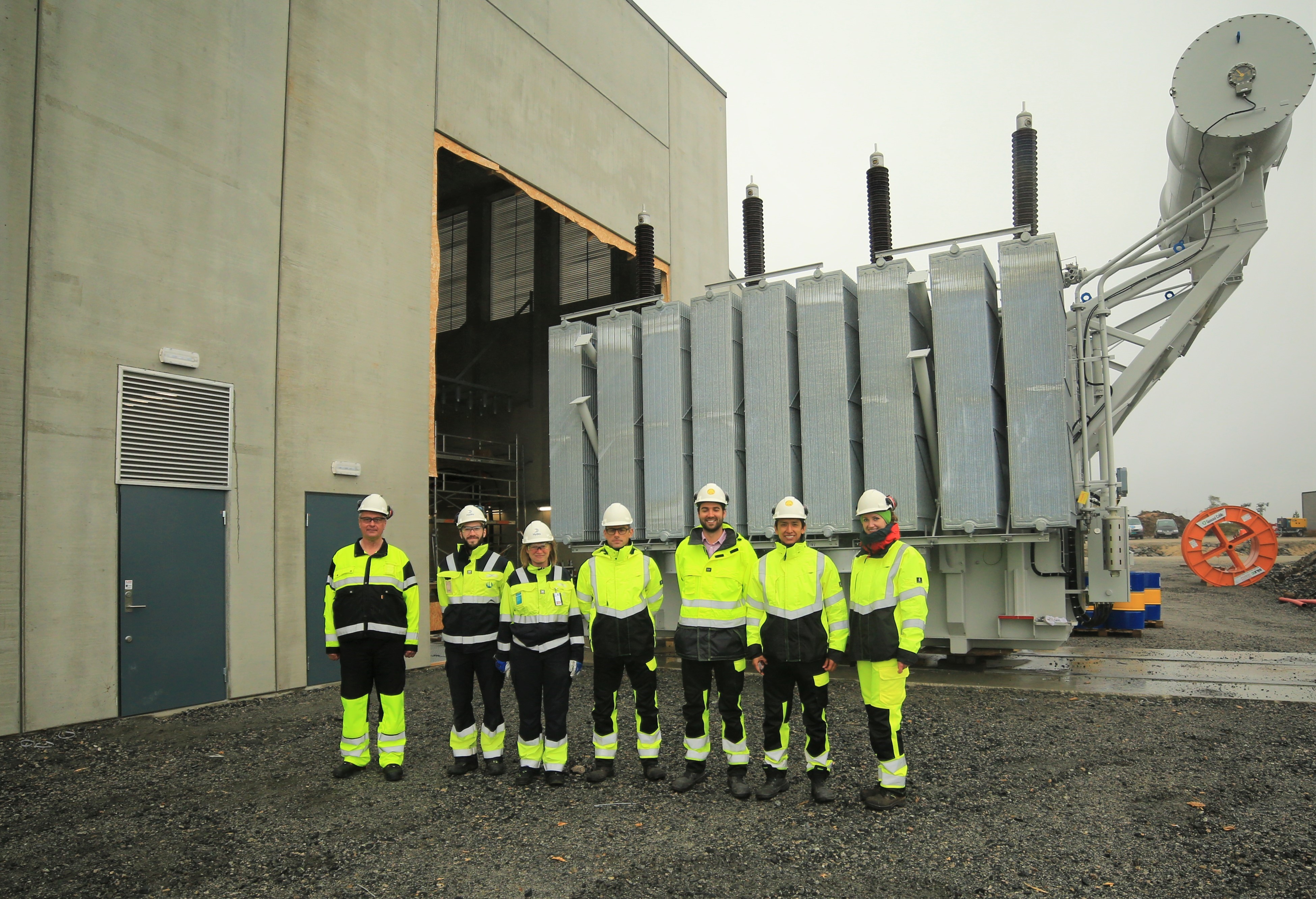
Ms Holberg: Tonstad Vindpark is currently under construction in Sirdal and Flekkefjord municipalities in the south of Norway. Once completed, the 240M EURO project will be one of the largest onshore wind farms in Norway with a total capacity of 208MW. All of the electricity produced will be sold to Hydro Energi under a 25-year offtake agreement.
AlCircle: Tell us in brief about ENGIE and SUSI, the two names behind its construction.
Ms Holberg: Havgul Clean Energy AS developed and submitted the concession application to the Norwegian authorities. Once concession was granted, the project was sold to Engie, who then brought onboard the Swiss infrastructure investment firm Susi Partners as a majority shareholder. Engie retains a 20 percent ownership stake and is also responsible for the construction and operation of the wind farm. Both owners are focused on contributing to the zero-carbon transition and report on the UN Sustainable development goals.
AlCircle: How is this project expected to benefit the region economically and environmentally?
Ms Holberg: Tonstad Vindpark has since the concession was granted, engaged in dialogue with the relevant municipalities in the region. The municipalities receive compensation in the form of property tax and benefit from the development of walkways, cycling paths and a few other community projects that we are currently in the process of developing with the municipality.
Tonstad Vindpark has throughout the planning and construction phases had a good dialogue with the local landowners, who receive compensation for the use of their lands. Recently, a local newspaper, Avisen Agder, featured a story in which these expressed excitement that the park is under construction and that they are happy with the communication and cooperation between Tonstad Vindpark and themselves.
Norwegian authorities have strict requirements when it comes to environmental protection. In addition to abiding by these requirements and relevant laws concerning environmental protection, Tonstad Vindpark has taken further measures to mitigate negative environmental impact. For instance, the masting system we use for the masts that hold the high voltage lines, is a less intrusive system to the surrounding environment. The masting system, called Comrod, involves drilling holes in the ground with the measurements corresponding to the masts themselves, as opposed to blasting the ground which is the process in traditional methods. The masts are then lifted by helicopter and placed into the ground. This alleviates the need for heavy machinery in the terrain, which damage the flora underneath.
There will also be installed bird defectors in certain parts of the overhead line, which will increase the visibility so that birds have a good chance of avoiding collision.
Tonstad is designed to contribute towards an increasingly renewable energy mix. The project is committed to contributing to the UN sustainable development goals 7 and 13. The demand for energy continues to increase worldwide. If the global goals for reduced emissions are to be reached, the global share of renewable energy in the energy mix must increase. Tonstad Vindpark, with an annual electricity production equivalent to the consumption of 31,000 households, is a contribution towards this goal.
The wind farm will also be a contribution to the strategy for the Agder county, where the wind farm is located. In the Agder energiplan, it is written that: “In 2020, Agder will have a position as an international leader within climate-friendly production and distribution of renewable energy. This will happen through the development of renewable energy and facilitating the exchange of energy which enables increased delivery environmentally friendly energy to the continent.”
In April this year, the Norwegian Water Resources and Energy Directorate submitted a proposal to the Ministry of Climate and Environment, regarding the development of new onshore wind power in Norway. The proposal provided a geographical overview of the most suitable areas for new wind power development, on the basis of wind resources and proximity to grid connectivity offset against potentially adverse social and environmental impact. In this proposal, the geographical area where Tonstad Vindpark is located was assessed as among the most suitable.
AlCircle: What is the current status of the project? When is it likely to start commercial operations?
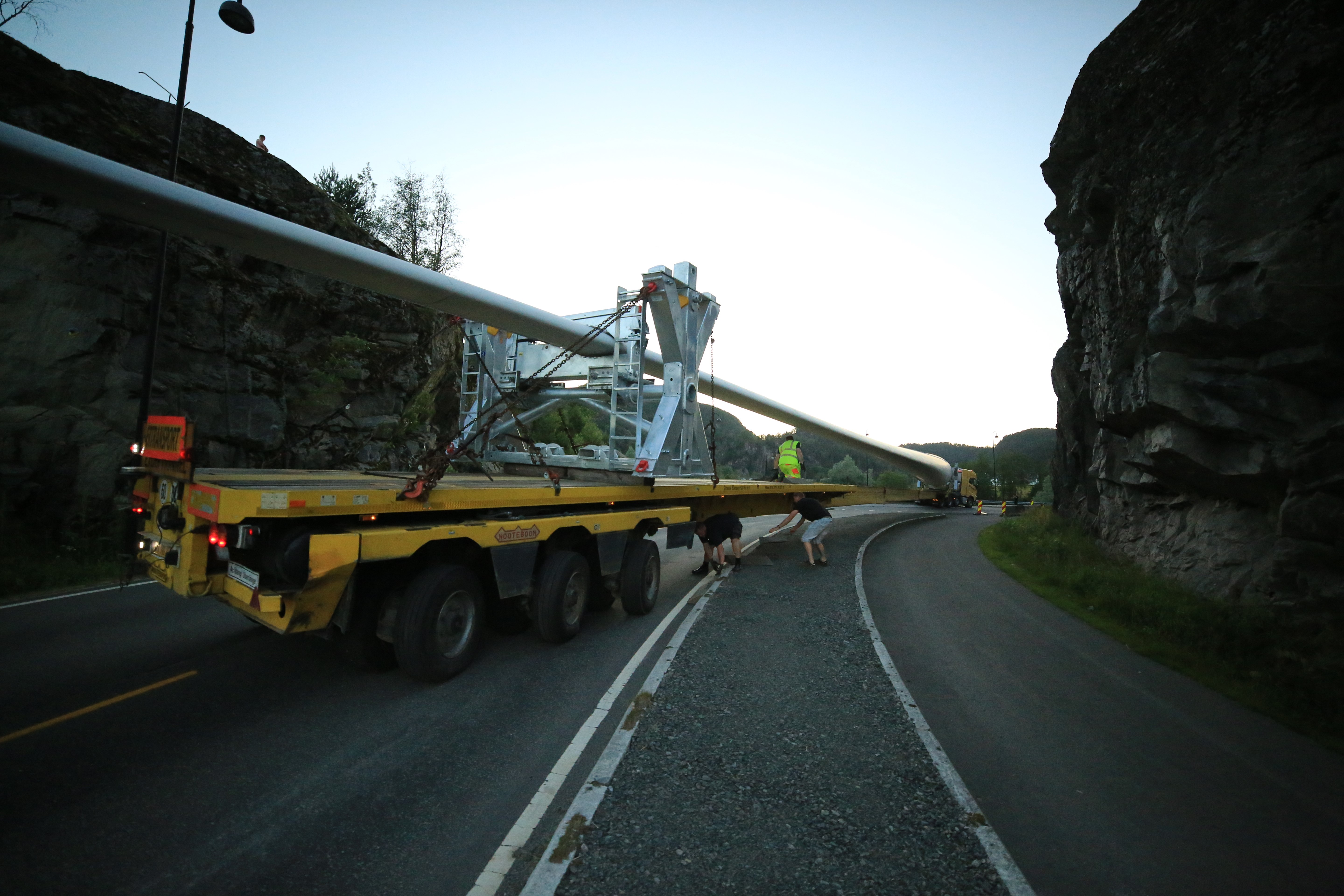
Ms Holberg: The construction of Tonstad Vindpark is proceeding according to schedule. The planned COD (Commercial Operation Date) will be in early 2020. The high voltage cable (132kV) to Ertsmyra and the substation with the 132kV and 33kV cables are planned to be electrified in August. The first turbine is planned to start operating at the end of August.
AlCircle: What is the significance of Renewable Energy in the aluminium industry?
Ms Holberg: There are seven aluminium production plants in Norway today, of which Norsk Hydro owns four. The demand for aluminium is increasing worldwide and there is an especially high increase in the demand for aluminium produced from renewable energy sources. This contributes to a higher pricing of aluminium whose production is derived from a renewable energy source.

AlCircle: Elaborate a little on the green Power Purchase Agreement (PPA) signed between Hydro Energy and Project Tonstad. How is it going to help Hydro in cutting its environmental footprint as an aluminium producer?
Ms Holberg: The Power Purchase Agreement guarantees that all electricity produced in the next 25 years will be sold to Norsk Hydro. The electricity generated by Tonstad Vindpark will allow for Norsk Hydro to produce approximately 50,000 tons of aluminium per year from the renewable energy source of wind power.

