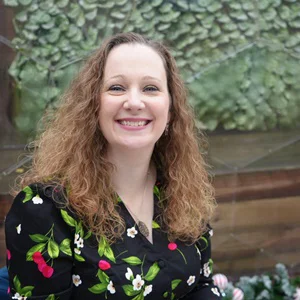
“Of the material fed into the plant, approximately 85% of the aluminium is recovered.” – Andrea Troy, Business Developer, Enval
- Category
- Interview
- Date
- Source
- AlCircle.com
My background in the plastic recycling industry started with 2 years of experience working at Viridor Polymers serving as the Commercial Manager in the Polymers team, overseeing all accounts and contracts for rigid plastic recycling through mechanical processes, specializing in PE, PP, and PET. In January 2022, I joined Enval as the Head of Commercial and Business Development, leading. I lead the business development efforts of Enval's innovative recycling technology, with a specific focus on increasing the recycling of flexible plastics and laminates. I am passionate about driving positive change, and actively seek collaboration opportunities and invite others to connect with me to explore synergies or gain insights into my experiences in the plastic recycling field.
AL Circle: How much aluminium does Enval divert from landfills each year? How good is the quality of the metal extracted, and can it be reused?
Andrea: Our plant is capable of reclaiming approximately 85% of the aluminium from multilayer plastics, such as pet food pouches, that are fed into the system. The extracted aluminium is of high quality and has been certified as suitable for food-grade applications.
AL Circle: Do you think recycling is important? How much carbon footprint does Enval's flagship process leave behind?
Andrea: We are passionate about recycling and believe that many materials should not end up in landfills. It is vital that we work towards improving how we treat valuable resources.
Regarding the carbon footprint, the disposal of 1000 plastic aluminium baby food pouches creates 8.1 KG CO2e in landfills, 10.3 KG CO2e in energy recovery, and 1.8 KG CO2e using Enval's process.
AL Circle: Is there any material loss during the Pyrolysis process led by Enval?
Andrea: Of the material fed into the plant, approximately 85% of the aluminium is recovered. We also recover approximately 75% of the plastic as oil, while the remaining 25%, in gas form, is used to power the plant via a generator.
AL Circle: Does Enval have integrated aluminium melting units, or do they export the extracted aluminium to other manufacturing firms?
Andrea: We have the option, within the design process, to add a melting furnace for smelting the aluminium into ingots. Alternatively, the aluminium flakes can be compacted and left to be smelted by the manufacturer.
AL Circle: What procedure is followed by Enval in sourcing pharmaceutical or packaging scrap? How effective is it?
Andrea: Our first fully operational plant is located in Mexico on a landfill site, where we process black bag waste. Therefore, we do not have direct contracts with pharmaceutical companies or factories. In the UK, we have a commercial-scale demonstration plant that processes material from several brands, including both pharmaceutical and packaging companies. However, the first fully operational module is expected to be operational in 2024.
AL Circle: Some of the other aluminium laminate separators use laser-based sorting technologies. Why do you think microwave-induced pyrolysis is better?
Andrea: While laser-based sorting for aluminium (ALU) is used to determine the alloy, I have limited knowledge about it to make a direct comparison with microwave-induced pyrolysis. However, in relation to other pyrolysis solutions, our process is unique in that it allows for the reclamation of aluminium during the process. Other pyrolysis companies are unable to reclaim the aluminium when they reclaim the plastic.

