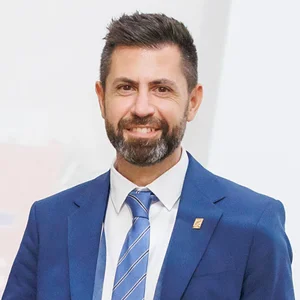
“It is relevant to highlight that the automotive industry consumes 80% of the castings produced in Europe”, José Javier González, General Secretary, The World Foundry Organization (WFO)
- Category
- Interview
- Date
- Source
- AlCircle.com
AL Circle: What role does research and development play in addressing heat treatment challenges in the aluminium industry? Are there any recent breakthroughs or ongoing studies worth mentioning?
José Javier González: We analyse annually the research and development of global trends in the foundry industry, identifying the main topics in which the industry works. When it comes to the aluminium foundry sector, we see that heat treatment is not showing itself as the most relevant topic for centres or companies. A series of factors can explain this behaviour: the heath treatment needed for aluminium companies is a mature area where the processes have remained useful and steady. That does not mean that the research is losing power but that the investment needed to explore new alternatives is higher than in other parts of the process. For example, let's think about a company producing for Aeronautics. We see that this sector sets very rigid limits for the heat treatment process, so in so many cases, there is only a chance to explore new alternatives once those have been standardised. As a result, there is little margin for small to medium companies for practical research.
However, we know that some interesting initiatives are being studied, for example, a change in the way the cooling system is fed or the use of part of the energy wasted in a sub-process to feed another one. The existence of several foundry processes in the same plant and the distance between them can be some keys to the success of this last idea.
AL Circle: How does the foundry industry align with sustainability goals and energy efficiency? Are there any initiatives or approaches within the WFO to promote sustainable heat treatment practices?
José Javier González: Decarbonisation, energy efficiency and sustainability are hot topics for our whole industry. We are working with our members to get close to those goals, identifying first not only the technical aspects but the economic and environmental ones, sharing some best practices from leading companies that have already started the journey. Companies in the foundry industry are also aware that energy efficiency alone won't be enough to reach the goals set for the near future, as other aspects like the impact of scope 3 and the source of the energy used are mainly defining the real impact of foundry plants in terms of CO2 emitted.
In addition to the effort coming from companies, some national organisations are developing very interesting roadmaps for this transition, some of them specifically focused on the foundry business.
AL Circle: In terms of standardisation, are there any international guidelines or best practices that foundries should adhere to in their aluminium heat treatment processes?
José Javier González: Some professionals report that more than accessing these best practices, there is a lack of expert knowledge in this area in some plants. This is where creating an effective professional network is very useful to put in touch with some good researchers in this field with technical managers.
There is also a collision in structural HPDC between the intensive use of heat treatment and the corresponding post-processing and the minimal treatment application but with a more complex casting process. Hence, an understanding of the best practices available is also important here.
AL Circle: How does the World Foundry Organization collaborate with industry stakeholders to address challenges specific to aluminium casting, and what resources or support can foundries access through this organisation?
José Javier González: The involvement of the different producers and stakeholders in the WFO Strategic plan is taking place every four years. The organisation is now shaping the basis for the next plan, and I am sure that some challenges regarding the aluminium industry will be present in the discussions to be placed. We will also celebrate a World Foundry Congress in China in 2024 and a World Foundry Summit and a Technical Forum in 2025, events where new innovative solutions and best practices in this area will be shared.
In addition to these, we have as well some active International Working Groups where some of the common challenges for the industry are tabled. We held in May this year a meeting in Hannover, Germany, where eight countries analysed together the challenges associated with sustainability and energy, with the actual commitment from the WFO to continue working out this initiative in the near future.
AL Circle: Looking ahead, what do you see as the most pressing issues that the foundries in the aluminium industry will face in the coming years, and what steps can be taken to address them?
José Javier González: As in the rest of the foundry industry, the situation with very reduced business margins and low profitability will set the scenario for the coming years. The complicated access to new professionals also stresses the companies, so a proper answer to the needed generational replacement in the plants will also be critical.

