“Aludium’s transition into a leader in sustainability began in 2015 with the decision to invest significantly in internal aluminium scrap recycling activities to reduce the amount of primary metal input.” Sam Kinsman, Vice President, Strategy & Transformation at Aludium
- Category
- Interview
- Date
- Source
- AlCircle.com
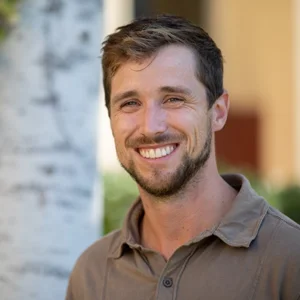
Sam Kinsman leads Strategy & Transformation at Aludium. He is a member of the Executive Committee and is responsible for the company-wide “ONE Aludium” program focused on Commercial Excellence, Operational Productivity, and Sustainability. Prior to Aludium, Sam held several transformations, sales, finance, and operational leadership positions at Iconex, a global paper & label converting business. Previously he worked in M&A investment banking at Goldman Sachs in New York and transaction advisory at PWC in São Paulo. Sam is a U.S. citizen and is based in Alicante, Spain.
AlCircle: Please share the innovative journey of Aludium in the global aluminium sector. What are the contributions of Aludium regarding a sustainable future?
Sam Kinsman: Aludium has more than 65-year history in the European aluminium rolled product sector, producing custom-designed, fully recyclable aluminium specifications for its customers in speciality packaging, solar, architectural, transportation, and general engineering markets. Aludium’s transition into a leader in sustainability began in 2015 with the decision to invest significantly in internal aluminium scrap recycling activities to reduce the amount of primary metal input. In addition to supporting the circular economy, recycling scrap requires 95% less energy than producing primary material, so reducing Aludium's carbon footprint is a direct benefit of recycling. As of 2021, 70% of Aludium’s metal requirements were supplied from its internal cast houses, placing Aludium clearly as a leader in the industry. In 2022, Aludium committed to investing even further in recycling via an expansion of its Alicante, Spain, location cathouse.
In addition to scrap recycling, Aludium has an entire company sustainability strategy aimed at advancing the low-carbon transition and supporting its people and communities. As part of this, Aludium announced its 2025 sustainability targets, including increasing renewable electricity consumption to 100% publicly, achieving benchmark safety performance, and promoting gender equality, among others. A copy of these targets is attached, and more information, including the annual sustainability report, can be found on the company website.
AlCircle: Please detail more on Aludium’s new launch, ‘Aludium Eco’. Why do you think it is a trendsetting product?
Sam Kinsman: Aludium Eco is a breakthrough product because it provides customers with two significant benefits. First, absolute clarity about the product's total carbon footprint, measured using ISO-14067-1:2018 & Greenhouse Gas Protocol Standards and certified by an independent third party. This clarity is valuable to customers in a market and regulatory environment with ever-increasing requirements to report carbon footprint. Second, Aludium Eco products have a certified total carbon footprint (''cradle-to-gate'') of less than 4 tons of C02 / t Al, among the lowest in the world, representing more than 50 per cent reduction in emissions per tonne Vs comparable materials on the market. Our goal is that this reduction in C02 and greater transparency support our customers to achieve their carbon reduction targets, reduce their exposure to carbon-related regulatory costs, and more easily communicate the benefits of the product to their customers & end-users in the AL supply chain.
AlCircle: Why is the L2 rolling mill in the Alicante plant termed the most innovative and sustainable?
Sam Kinsman: It is important to note that the greatest carbon footprint as a rolling business comes from the energy-intensive upstream activities in the material we buy (also called scope 3 emissions). This means that excellence in carbon footprint is strongly driven by the ability to produce rolled products with the lowest possible material loss. Investments in high-quality assets such as the L2 rolling mill in Alicante allow us to improve our material loss in production and overall productivity, which translates to lower carbon-intensive products.
AlCircle: What are your plans for 2023 concerning investment in innovation and technology advancement for more efficient production?
Sam Kinsman: In 2023, Aludium will inaugurate the newly expanded scrap recycling operations in its Alicante plant with a capacity of approximately 3x Vs current levels and the capability to recycle a more comprehensive range of scrap, including through closed-loop relationships with its customers. Under the ONE Aludium Program, all sites are working to improve plant energy efficiency and rolling productivity to lower emissions. We are also exploring plans for on-site solar PV to supply clean electricity for self-consumption.
AlCircle: What are your thoughts regarding Aludium’s performance in the last five years? What has been the impact on industry and society?
Sam Kinsman: Aludium has been a stable partner to its customers, a stable employer, and a positive member of its local communities. We are proud of these relationships and will continue to invest in safety at work, product quality and service, and sustainability leadership.

