AL Circle
  • About us
  • Team
  • Careers
  • Blog
  • Interviews
  • FAQs
  • News
  • Promote With Us
  • Reports
  • e-Magazine
  • Business Leads
  • Featured Companies
  • Press Release
  • Contact Us
  • Terms & Conditions
  • Testimonials
  • Privacy Policy
  • Refund & Cancellation Policy
Aluminium Ecosystem App
app storegoogleplay
Aluminium Ecosystem App
app storegoogleplay
asi
MEMBER

A proud
ASI member

AL Circle Private Limited | CIN: U72200WB2017PTC221175

Registered Office: Ecospace Business Park, Block 3A, Unit 401A, New Town, Rajarhat, Kolkata, WB 700160

Corporate Office: Ecospace Business Park, Block 3A, Unit 401A, New Town, Rajarhat, Kolkata, WB 700160

© 2026 AL Circle. All rights reserved. AL Circle is not responsible for content from external sources.

alcircle logo
asi
MEMBER

A proud
ASI member

  • About us
  • Team
  • Careers
  • Blog
  • Interviews
  • FAQs
  • News
  • Promote With Us
  • Reports
  • e-Magazine
  • Business Leads
  • Featured Companies
  • Press Release
  • Contact Us
  • Terms & Conditions
  • Testimonials
  • Privacy Policy
  • Refund & Cancellation Policy
AL Circle: Aluminium Ecosystem App
app storegoogleplay

AL Circle Private Limited | CIN: U72200WB2017PTC221175

Registered Office: Ecospace Business Park, Block 3A, Unit 401A, New Town, Rajarhat, Kolkata, WB 700160

Corporate Office: Ecospace Business Park, Block 3A, Unit 401A, New Town, Rajarhat, Kolkata, WB 700160

© 2026 AL Circle. All rights reserved. AL Circle is not responsible for content from external sources.

AL Circle Logo
AL Circle
AL NewsAL BizAL Learn
AL NewsAL BizAL LearnAbout us
SIGN IN
Or

By clicking sign in, join free or continue with Linkedin, Google, I agree to the T&C and the Privacy Policy

Profile

U
0%

—

View & Update Profile
DashboardSaved ContentBlogFAQs
NewsSustainabilityHeavy industry could grow global output while using up to 45% less energy by 2050
16 APRIL 2026Press Release

Heavy industry could grow global output while using up to 45% less energy by 2050

Edited by : AL CIRCLE
5 min read
Heavy industry could grow global output while using up to 45% less energy by 2050

This image is shared by MPP

 Energy Transitions Commission (ETC)

Advertisement

Improving energy productivity can meet rising needs for housing, mobility and goods while reducing reliance on expensive fossil fuels and the need for new energy infrastructure, says a new report from the Energy Transitions Commission (ETC) and Mission Possible Partnership (MPP) published today.

Energy productivity measures the economic value generated from each unit of energy – improving it delivers the same (or greater) output from less energy. The report shows that more efficient ships, planes and industrial plants, using less material, using things for longer and recycling more can reduce the cost and complexity of decarbonising energy-intensive industries while strengthening industrial competitiveness.

Energy-intensive sectors, aluminium, aviation, cement, plastics & chemicals, shipping and steel, form the foundations of modern economies: our houses, transport and goods. Together, these sectors account for around a quarter of global energy demand.

By 2025, steel, aluminium, cement and plastics & chemicals demand is expected to grow 25 per cent-100 per cent, aviation 150 per cent, and shipping 45 per cent, driven by rising global prosperity, urbanisation and industrialisation. This growth could be delivered using 25-45 per cent less energy and at lower cost, by improving energy productivity, compared to a scenario with no productivity gains, says the new briefing, Harnessing energy productivity for industrial competitiveness.  

Three complementary strategies can reduce energy demand across energy-intensive sectors:

  1. Technical efficiency - reducing the kWh input required to deliver the same product or service.
  2. Service efficiency - reducing the volume of product or service required to deliver the same standard.
  3. Material efficiency - reducing the material input to deliver a given product.

Clean electricity and low-carbon fuels are essential to decarbonise steel, cement, plastics & chemicals, aluminium, aviation and shipping - and while they carry modest “green premiums”, these are manageable at the consumer level. Improving energy productivity by using materials more efficiently and deploying better technologies enables us to meet rising demand for buildings, products and transport while reducing energy demand and related costs,” said Adair Turner, Co-Chair of the Energy Transitions Commission.

“The energy crisis provoked by the conflict in the Middle East is a reminder of how exposed many economies still are to fossil energy supply disruptions and price spikes that feed through into everything from transport and industry to food production. The shift to clean industrial supply chains, anchored to a much greater extent in domestically produced energy, chemicals, and materials (including recycled materials), is essential to make economies more resilient. And using these resources more effectively will make the transition cheaper and faster,” said Faustine Delasalle, CEO of Mission Possible Partnership.

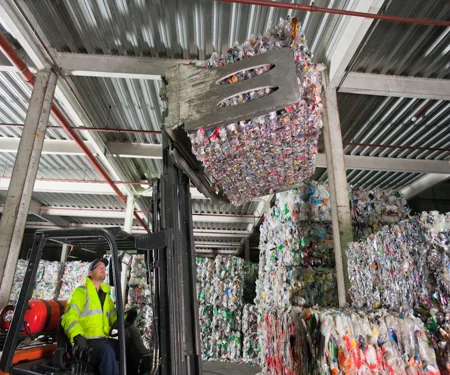
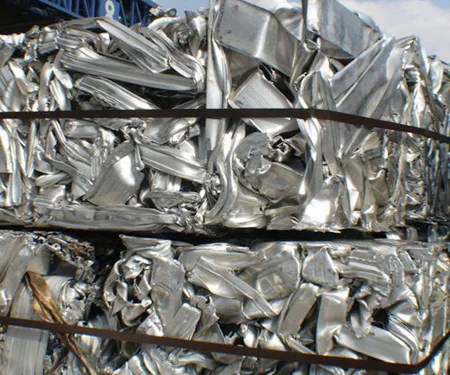
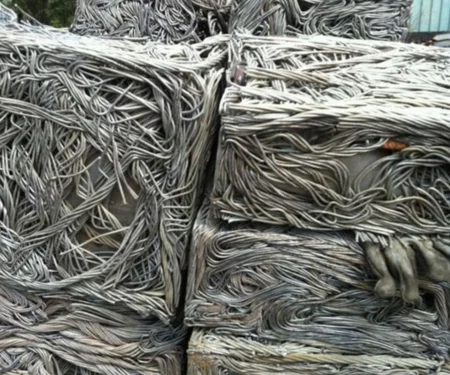
The opportunity is substantial. Recycling aluminium is approximately 95 per cent less energy-intensive than new production. In cement, reducing clinker content and optimising building design represent the largest levers to lower energy requirements.

  • Energy productivity must become a central pillar of any economic strategy. Creating more value from lower energy and material inputs is a significant economic opportunity as well as an environmental imperative. The materials, chemicals, and fuels that power modern economies are fundamental to competitiveness, resilience and long-term economic strength.
  • Demand for industrial outputs will expand dramatically in the next decade. By 2050, aviation is projected to increase by 150 per cent. Demand for the core materials that underpin our everyday lives, including aluminium, cement, chemicals and steel, is expected to grow by up to 100 per cent. Meeting this growth while transforming foundational systems is the defining challenge of our time.
  • Over 1,000 commercial-scale clean industrial projects are under development. Without improvements in energy productivity, the transition could require a much larger expansion of infrastructure, with corresponding cost. With it, we can reduce the need for investment and lower production costs, which can counter the green premium.

Implementing key efficiencies could reduce energy demand by up to 45 per cent. System-wide, it could reduce global energy investment needs by an estimated $15 trillion over the next quarter of a century. What is now required are clear policy signals on carbon pricing, standards and infrastructure that reward energy productivity, reduce energy demand and system costs, and unlock final investment decisions in industry.

Decarbonising some energy-intensive sectors requires a transition to low-carbon solutions, such as hydrogen, ammonia, bioresources, and carbon capture and storage (CCS). These low-carbon solutions are themselves energy-intensive and depend on a scaling up of clean energy infrastructure. As industries adopt low-carbon solutions, productivity improvements can limit cost increases to materials and transport, and reduce the impact on businesses and consumers.

The Energy Transitions Commission and Mission Possible Partnership’s work is anchored in four priorities that define this decisive decade: Doubling the rate of energy efficiency improvement to 4 per cent per year by 2030; Tripling global renewable power capacity by 2030; Electrify - scaling clean electrification of growing energy demand; and Build Clean Now, moving clean industrial capacity from ambition to execution. Energy productivity improvements align with all four priorities.

Note: This article has been issued by MPP and has been published by AL Circle with its original information without any modifications or edits to the core subject/data

Tagged with:AluminiumAluminium scrapLow-carbon Aluminium

Grow with
AL Circle

KNOW MORE
Previous article

Capral moves to electric furnace at Bremer Park to cut emissions and boost efficiency

Next article

Yeşilova bolsters its high-tech extrusion lines with a low-carbon production strategy

Grow with
AL Circle

KNOW MORE

Responses

Related News

Sustainability

New Zealand aluminium extruders urge urgent safeguard action as imports surge 38%

Sustainability

EU plans aluminium scrap export ban on non-OECD countries; China, India in focus

Sustainability

Coal-heavy Australian aluminium vs renewables-led New Zealand: How Oceania is balancing decarbonisation

Sustainability

ASI certifies Amcor Flexibles Kreuzlingen AG, Switzerland against Performance Standard V3.1 (Transitional – Principles 1-4)

Sustainability

Can the US afford to cut Canada off? 75% aluminium and $100b energy tell the story

Sustainability

Inola aluminium smelter faces new test over DOE funding, environmental review

Sustainability

China Hongqiao’s recycled aluminium efforts earn third consecutive Circular Economy Leadership Award

Sustainability

17 presses, 100k sqm, 30+ years: Syntech Metals targets North America’s EV charging market

Sustainability

NET ZERO EUROPE 2026 draws strong industry interest across Europe — Leading energy companies confirm participation

Sustainability

Aluminium scrap gets a new life as Voya Energy unveils 2 MW power system

E-magazines

VIEW ALL
ALuminium LeaderSpeak 2024

ALuminium LeaderSpeak 2024

APRIL 2024, EDITION NO.23

ALuminium Casting Industry: Creating Opportunities for Future

ALuminium Casting Industry: Creating Opportunities for Future

FEB 2024, EDITION NO.22

ALuminium Middle East Focus 2024

ALuminium Middle East Focus 2024

JAN 2024, EDITION NO.21

Digital Transformation of the ALuminium Industry: Drivers and Changemakers of 2023

Digital Transformation of the ALuminium Industry: Drivers and Changemakers of 2023

DEC 2023, EDITION NO.20

Digital Transformation in the ALuminium Industry: Drivers and Changemakers of 2024

Digital Transformation in the ALuminium Industry: Drivers and Changemakers of 2024

JAN 2025, EDITION 29

ALuminium Industry: Focus Europe

ALuminium Industry: Focus Europe

NOV 2024, EDITION NO.28

The Modern-day world of ALuminium Flat Rolled Products

The Modern-day world of ALuminium Flat Rolled Products

OCT 2024, EDITION NO. 27

ALuminium Industry: Focus Asia

ALuminium Industry: Focus Asia

SEP 2024, EDITION NO. 26

Advanced Industrial Technologies in the ALuminium Industry

Advanced Industrial Technologies in the ALuminium Industry

JULY 2024, EDITION NO. 25

ALuminium Extrusions: Shaping the Future

ALuminium Extrusions: Shaping the Future

JUNE 2024, EDITION NO. 24

ALuminium LeaderSpeak 2024

ALuminium LeaderSpeak 2024

APRIL 2024, EDITION NO.23

ALuminium Casting Industry: Creating Opportunities for Future

ALuminium Casting Industry: Creating Opportunities for Future

FEB 2024, EDITION NO.22

ALuminium Middle East Focus 2024

ALuminium Middle East Focus 2024

JAN 2024, EDITION NO.21

Digital Transformation of the ALuminium Industry: Drivers and Changemakers of 2023

Digital Transformation of the ALuminium Industry: Drivers and Changemakers of 2023

DEC 2023, EDITION NO.20

Digital Transformation in the ALuminium Industry: Drivers and Changemakers of 2024

Digital Transformation in the ALuminium Industry: Drivers and Changemakers of 2024

JAN 2025, EDITION 29

ALuminium Industry: Focus Europe

ALuminium Industry: Focus Europe

NOV 2024, EDITION NO.28

The Modern-day world of ALuminium Flat Rolled Products

The Modern-day world of ALuminium Flat Rolled Products

OCT 2024, EDITION NO. 27

ALuminium Industry: Focus Asia

ALuminium Industry: Focus Asia

SEP 2024, EDITION NO. 26

Reports

VIEW ALL
Global Aluminium Casting Market Report
ACCESS
Global Bauxite & Alumina Market Forecast to 2036
ACCESS
Global Aluminium Industry Outlook 2026
ACCESS
Global Aluminium Casting Market Report
ACCESS
Global Bauxite & Alumina Market Forecast to 2036
ACCESS
Global Aluminium Industry Outlook 2026
ACCESS
Global Aluminium Casting Market Report
ACCESS
Global Bauxite & Alumina Market Forecast to 2036
ACCESS
Global Aluminium Industry Outlook 2026
ACCESS

Interviews

→
Daniel Vaknine

Daniel Vaknine

European aluminium EPR fees vary by country, PRO, packaging and recyclability

Secondary Aluminum Coalition for America

SACA bets on secondary aluminium to close US supply gap faster and at lower cost

Secondary Aluminum Coalition for America
Daniel Vaknine

Daniel Vaknine

European aluminium EPR fees vary by country, PRO, packaging and recyclability

Secondary Aluminum Coalition for America

SACA bets on secondary aluminium to close US supply gap faster and at lower cost

Secondary Aluminum Coalition for America

Diego Daluisio

China’s aluminium extrusion industry is going through a real transition, and I do not think the West has fully absorbed what it means

Diego Daluisio

Business Leads

VIEW ON AL BIZ
Aluminium Extrusion 6063 ScrapSELLING LEAD

Aluminium Extrusion 6063 Scrap

Aluminium Taint Tabor ScrapSELLING LEAD

Aluminium Taint Tabor Scrap

Aluminium UBC ScrapSELLING LEAD

Aluminium UBC Scrap

Aluminium Solar Panel FrameSELLING LEAD

Aluminium Solar Panel Frame

Diesel OilSELLING LEAD

Diesel Oil

Aluminium extrusions

Turn marketplace visibility into more relevant buyer enquiries.

Boost Your Listing

Business Cards

FEATURED

VIEW ALL