“The global trend in the railway sector is moving toward materials that offer a balance between strength, durability, and lightweight properties, and aluminium stands out as a key material contributing to these advancements”, L C Trivedi, Railway Expert

- Category
- Interview
- Date
- Source
- AlCircleNews
A distinguished railway professional, L C Trivedi, with over 40 years of exemplary service, boasts a remarkable career deeply rooted in Indian Railways. With an engineering degree and management education from prestigious institutions such as HEC Paris and Carnegie Mellon University in Pittsburgh, USA, he has consistently demonstrated his commitment to excellence.
A Fellow of the Institute of Mechanical Engineers in London, L C Trivedi currently holds the esteemed position of Chair of the Railway Division of India within the Institute of Mechanical Engineers (IMechE). His journey in the railways began in 1981, when he spent two formative years at NTPC, followed by a transition to Indian Railways, where he would go on to achieve remarkable feats.
In June 2021, L C Trivedi retired as the East Central Railway General Manager, holding a prestigious Secretary to the Government of India grade. Throughout his illustrious career, he spearheaded a multitude of significant projects.
AL Circle: Can you provide an overview of aluminium's current trends and applications in the railway sector?
L C Trivedi: While India has been late in adopting aluminium and its alloys in the railway industry, globally, aluminium plays a crucial role in the railway sector due to its unique combination of strength, lightness, and corrosion resistance. Here's an overview of current trends and applications:
Lightweight structures: One of the significant trends is using aluminium in lightweight structures for rail vehicles. This helps reduce the overall weight of the trains, leading to improved fuel efficiency and lower emissions.
Aluminium alloys in train design: Aluminium alloys are employed in constructing various train components, including carriages, doors, and other structural elements. This shift toward aluminium contributes to increased energy efficiency and decreased maintenance costs.
High-speed trains: The demand for high-speed trains has driven the use of lightweight materials, and aluminium, being lighter than steel, is preferred for constructing high-speed train bodies and components.
Durability and corrosion resistance: Aluminium's resistance to corrosion makes it an excellent choice for rail applications, especially in regions with harsh weather conditions. This durability ensures a longer lifespan for components and reduces maintenance requirements.
Electrical conductivity: Aluminium's excellent electrical conductivity makes it suitable for applications involving electrical components in rail systems, such as wiring and power distribution.
Sustainable practices: With a growing emphasis on sustainability, using aluminium aligns with eco-friendly initiatives in the transportation sector. Recycling aluminium is energy-efficient, and recycled aluminium retains its properties, making it a sustainable choice.
Innovations in manufacturing: Advances in manufacturing technologies, including extrusion and forming processes, have facilitated the integration of aluminium into complex and customized designs for railway components.
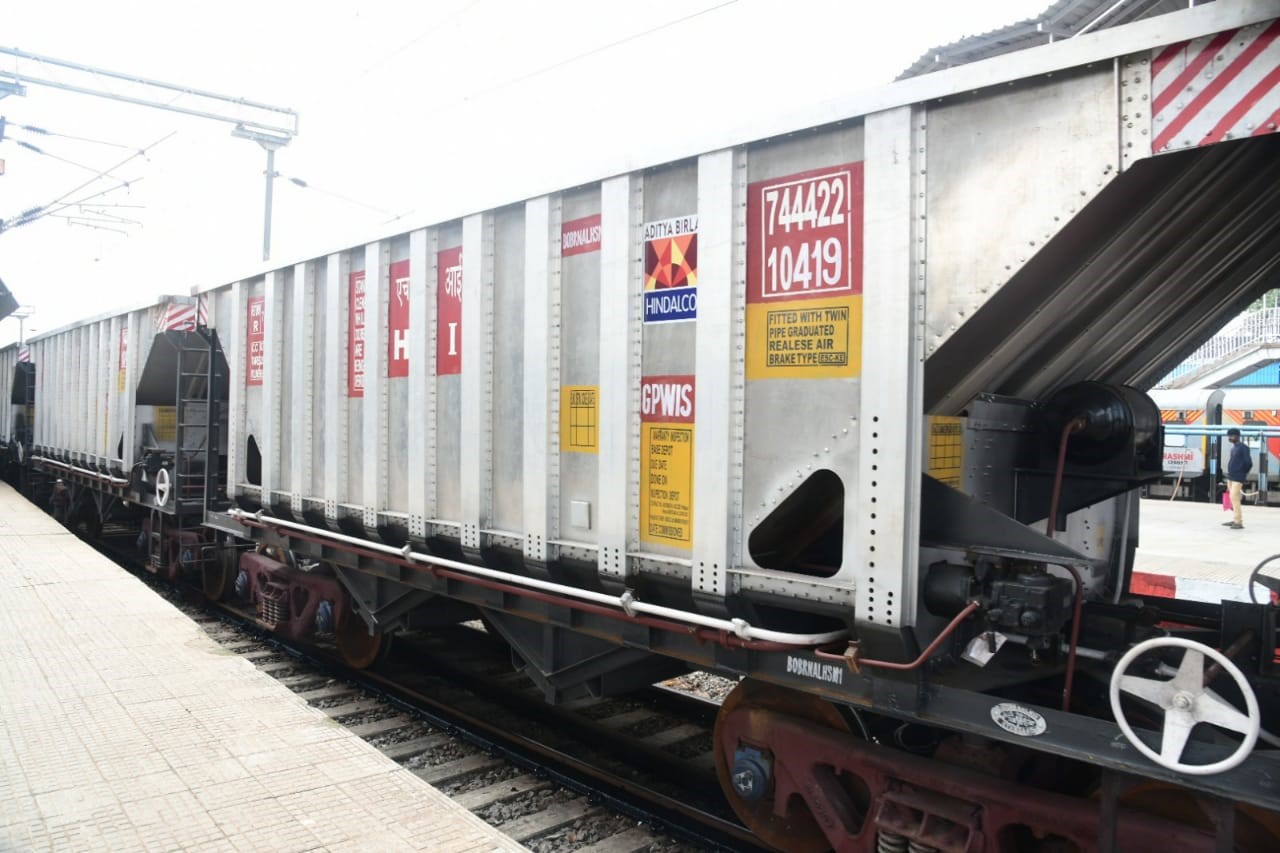
Aluminium in freight cars: In addition to passenger trains, aluminium is increasingly being used in constructing freight cars. The lightweight nature of aluminium allows for increased cargo capacity and fuel efficiency.
Overall, the global trend in the railway sector is moving toward materials that offer a balance between strength, durability, and lightweight properties, and aluminium stands out as a key material contributing to these advancements. This trend is not limited to any specific region but is part of a broader global effort to enhance the efficiency and sustainability of rail transportation.
AL Circle: What are the primary reasons for the increasing use of aluminium in railway coach buildings and components?
L C Trivedi: Several key factors drive the increasing use of aluminium in railway coach buildings and components:
Weight reduction: Aluminum is significantly lighter than traditional materials like steel. Using aluminium reduces the overall weight of the railway coaches, leading to improved fuel efficiency and lower energy consumption. This is particularly important in the context of high-speed trains and modern railway systems where weight plays a crucial role in performance.
Fuel Efficiency: The lightweight nature of aluminium contributes to increased fuel efficiency, as trains require less energy to move lighter carriages. This is a critical consideration for both passenger and freight trains, especially in regions aiming to reduce carbon emissions and enhance energy efficiency.
High strength-to-weight ratio: Aluminium alloys offer a high strength-to-weight ratio, providing structural integrity and durability while keeping the weight low. This makes aluminium an ideal choice for constructing various components of railway coaches, ensuring safety and reliability.
Corrosion resistance: Aluminium has excellent corrosion resistance, which is particularly important in railway applications exposed to diverse weather conditions. This property contributes to the longevity of the railway coaches, reducing maintenance costs and increasing the overall lifecycle of the equipment.
Design flexibility: Aluminium's malleability allows for intricate and customizable designs. This flexibility in design is beneficial for creating modern, aerodynamic, and visually appealing railway coaches. It also facilitates the integration of advanced features and technologies into the coach structure.
Recyclability: Aluminium is highly recyclable without compromising its properties. The railway industry's increasing focus on sustainability and environmental considerations aligns with the recyclability of aluminium, making it an environmentally friendly choice.
Technological advancements: Technological advances, such as extrusion and fabrication processes, have made it easier to work with aluminium and integrate it into complex railway coach designs. This has led to more widespread adoption of aluminium in the industry.
Improved manufacturing efficiency: The manufacturing process for aluminium components can be more efficient compared to traditional materials. Processes like extrusion and casting allow cost-effective production of complex shapes and structures.
In summary, the use of aluminium in railway coach buildings and components is driven by a combination of factors related to performance, efficiency, safety, and environmental sustainability. As technological advancements continue and the demand for more efficient and sustainable transportation solutions grows, the trend of using aluminium in railway applications will likely persist and expand.

AL Circle: How does aluminium compare to traditional materials like steel regarding weight, strength, and durability for railway applications?
L C Trivedi: Weight: Aluminum is significantly lighter than steel. This lightweight property is a crucial advantage in railway applications, contributing to overall weight reduction in trains. Lighter trains require less energy to move, improving fuel efficiency, especially in high-speed and modern railway systems.
Steel is denser and heavier compared to aluminium. Trains constructed with steel components tend to be heavier, impacting fuel efficiency and overall performance.
Strength: While aluminium is lighter, it still offers a high strength-to-weight ratio. Modern aluminium alloys used in railway applications provide sufficient strength to meet safety and structural requirements. The strength of aluminium is crucial for ensuring the integrity and durability of railway components.
Steel is known for its strength and durability. It has been traditionally used in railway construction due to its robustness. However, advancements in aluminium alloys have enabled them to compete effectively in strength, especially considering their lower weight.
Durability: Aluminium exhibits excellent corrosion resistance, making it durable in various weather conditions. The corrosion resistance of aluminium contributes to the longevity of railway components, reducing maintenance costs and increasing the overall lifespan of trains.
Steel is strong and durable, and it is more susceptible to corrosion. Steel components can be prone to rust and deterioration without proper maintenance, especially in environments with high humidity or exposure to corrosive substances.
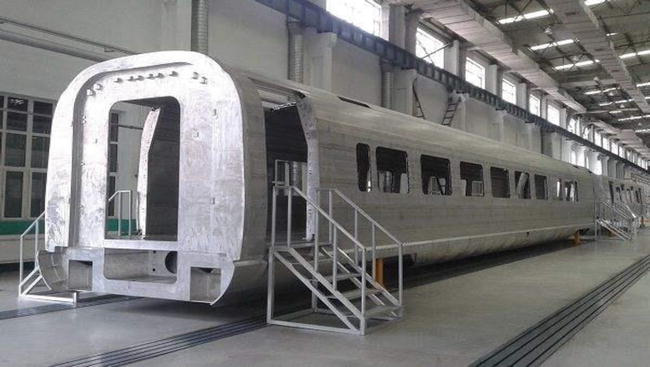
Overall Comparison
- The choice between aluminium and steel in railway applications often involves a trade-off between weight and strength. Aluminum is favoured for its lightweight properties, contributing to energy efficiency and reduced environmental impact. On the other hand, steel has a long history of use in the railway industry and is valued for its strength and robustness.
- Technological advancements in aluminium alloys have narrowed the gap between aluminium and steel in terms of strength, making aluminium a competitive and increasingly popular choice in modern railway construction.
The specific requirements of a railway project, such as the type of train, speed, and environmental conditions, play a role in determining whether aluminium or steel is the more suitable material for a given application. Many contemporary railway designs incorporate a mix of materials to optimize performance and efficiency.
AL Circle: Could you share some examples of successful projects where aluminum has been used effectively in the railway sector?
L C Trivedi: Certainly! Here are a few examples of successful projects where aluminium has been effectively used in the railway sector:
TGV (Train à Grande Vitesse), France
Application: High-speed trains
The high-speed rail network, including the iconic TGV trains, extensively uses aluminium to construct train bodies and components. The lightweight nature of aluminium contributes to these trains' high-speed capabilities and energy efficiency.
BOMBARDIER ZEFIRO, Italy
Application: High-speed trains
The Bombardier ZEFIRO high-speed trains in Italy and other countries feature aluminium components for weight reduction and improved aerodynamics. This contributes to their efficiency in high-speed travel.
Siemens Velaro, various countries:
Application: High-speed trains
The Siemens Velaro series, deployed in several countries, incorporates aluminium extensively in its design. These trains are known for their high-speed performance and energy efficiency, facilitated using lightweight materials.
BART (Bay Area Rapid Transit), USA
Application: Mass Transit System
The BART system in the San Francisco Bay Area utilizes aluminium extensively in the construction of its train cars. The lightweight properties of aluminium contribute to energy efficiency and the overall performance of the transit system.
Alstom Coradia iLint, Germany
Application: Hydrogen-powered trains
The Alstom Coradia iLint is a hydrogen-powered passenger train that operates in Germany. Aluminium is used in its construction to optimize weight and efficiency, supporting the goal of providing a sustainable and low-emission mode of transportation.
Hitachi Class 800/801/802, UK
Intercity Express Programme (IEP) trains
The Class 800 series trains, part of the Intercity Express Programme in the UK, incorporate aluminium in their construction. Using aluminium contributes to weight reduction, improving fuel efficiency and overall performance.
These examples highlight the versatility and effectiveness of aluminium in various railway applications, ranging from high-speed trains to mass transit systems. The adoption of aluminium in these projects reflects a global trend in the railway industry towards lightweight materials that enhance energy efficiency and sustainability.
AL Circle: What are the key advantages and disadvantages of using aluminium in railway infrastructure and rolling stock?
L C Trivedi: Advantages of using aluminium in railway infrastructure and rolling stock:
Weight reduction: Aluminum is significantly lighter than steel, reducing overall weight in trains and infrastructure. This results in improved fuel efficiency and energy savings.
Fuel efficiency: The lightweight properties of aluminium contribute to increased fuel efficiency, making trains more economical and environmentally friendly, particularly in high-speed and long-distance applications.
Corrosion Resistance: Aluminium exhibits excellent corrosion resistance, reducing the maintenance requirements of railway components and increasing their overall lifespan, especially in regions with harsh weather conditions.
Design flexibility: Aluminum's malleability allows for intricate and customizable designs. This flexibility is beneficial for creating modern, aerodynamic, and visually appealing railway infrastructure and rolling stock.
Recyclability: Aluminium is highly recyclable without compromising its properties. The recyclability of aluminium aligns with sustainability goals in the railway industry, reducing environmental impact.
High strength-to-weight ratio: Modern aluminium alloys offer a high strength-to-weight ratio, providing structural integrity and durability while keeping the weight low. This is crucial for ensuring safety and reliability in railway applications.
Thermal conductivity: Aluminum has good thermal conductivity, which is advantageous for temperature variations applications. It allows for efficient heat dissipation in components such as brakes and electrical systems.
Disadvantages of using aluminium in railway infrastructure and rolling stock:
Cost: In some cases, the initial cost of aluminium can be higher than that of traditional materials like steel. However, the long-term benefits, including fuel savings and reduced maintenance costs, may offset this disadvantage.
Compatibility issues: The use of aluminium may require adjustments in manufacturing processes and compatibility considerations with existing infrastructure and components, which can be a challenge during the transition.
Welding challenges: Welding aluminium can be more challenging than welding steel. Specialized techniques and equipment are often required, which may add complexity to manufacturing and maintenance processes.
Noise and vibration: Aluminium can transmit more noise and vibration compared to other materials, which may impact the comfort of passengers. Proper design considerations and additional damping measures may be needed.
Limited high-temperature performance: At very high temperatures, aluminium can experience a reduction in strength. This limitation may be a consideration for components exposed to extreme heat conditions.
Galvanic corrosion in contact with steel: When in contact with steel in the presence of an electrolyte (such as water), galvanic corrosion can occur. Proper insulation or protective coatings are required in mixed-material constructions.
In summary, while aluminium offers numerous advantages for railway applications, including weight reduction, fuel efficiency, and corrosion resistance, considerations such as cost, welding challenges, and compatibility issues need to be addressed in the decision-making process. The choice between aluminium and other materials depends on specific project requirements and the balance of these advantages and disadvantages.
AL Circle: How does aluminium contribute to making trains more energy-efficient and environmentally friendly?
L C Trivedi: Aluminium contributes to making trains more energy-efficient and environmentally friendly through several key mechanisms:
Weight reduction
- Aluminium is significantly lighter than traditional materials like steel. By using aluminium in constructing train components, especially the body and structural elements, the overall weight of the train is reduced.
- Benefit- Lighter trains require less energy to accelerate, decelerate, and maintain speed. This weight reduction directly translates into improved fuel efficiency, making trains more energy-efficient.
Improved Fuel Efficiency
- The reduced weight of aluminium components results in lower rolling resistance and energy consumption during train operation.
- Trains made with aluminium are more fuel-efficient, requiring less energy to cover the same distance compared to heavier counterparts. This contributes to energy savings and a decrease in greenhouse gas emissions.
Enhanced acceleration and deceleration
- Lighter trains made with aluminium can accelerate and decelerate more efficiently.
- Improved acceleration and deceleration contribute to more efficient energy use, especially in stop-and-go traffic or when frequent speed changes are required.
Reduced wear on track and infrastructure
- Lighter trains exert less force on railway tracks and infrastructure.
- Reduced wear on tracks and infrastructure translates into lower maintenance costs and longer lifespan for railway components, contributing to the overall sustainability of the rail network.
Sustainability and recyclability
- Aluminium is highly recyclable with minimal loss of quality.
- The recyclability of aluminium aligns with sustainability goals, reducing the environmental impact of manufacturing and contributing to a circular economy. Using recycled aluminium in train construction further decreases the carbon footprint of the materials.
Corrosion resistance
- Aluminium exhibits excellent corrosion resistance.
- The corrosion resistance of aluminium reduces the need for maintenance and replacement of components due to weather-related deterioration. This saves costs and contributes to the longevity and sustainability of railway infrastructure.
Innovative design opportunities
- Aluminum's malleability allows for innovative and aerodynamic designs.
- The design flexibility of aluminium enables the creation of trains with reduced aerodynamic drag, contributing to energy efficiency at high speeds.
Recycled content in manufacturing
- Aluminium manufacturers increasingly use recycled content in the production process.
- Incorporating recycled aluminium in manufacturing train components reduces energy consumption compared to primary aluminium production, further contributing to environmental sustainability.
In summary, using aluminium in trains brings a combination of weight reduction, improved fuel efficiency, recyclability, and reduced maintenance requirements. These factors collectively contribute to making trains more energy-efficient and environmentally friendly, aligning with global efforts to reduce carbon emissions and promote sustainable transportation solutions.
AL Circle: Could you discuss the cost considerations associated with using aluminium in railway construction and manufacturing?
L C Trivedi: Using aluminium in railway construction and manufacturing comes with various cost considerations, including advantages and challenges. Here are key factors to consider:
Advantages:
Fuel efficiency and operating costs - Aluminum's lightweight nature contributes to fuel efficiency, resulting in lower operating costs over the long term. Reduced energy consumption can offset the higher initial material costs.
Maintenance savings - Aluminum's corrosion resistance reduces maintenance requirements. Trains and infrastructure made with aluminium may experience lower maintenance costs and longer service life, contributing to overall cost savings.
Recyclability and Lifecycle costs - Aluminium is highly recyclable. Considering the lifecycle costs, the ability to recycle aluminium can offset initial material expenses and contribute to long-term economic and environmental benefits.
Reduced wear on tracks - Lighter trains made with aluminium exert less force on tracks, potentially reducing wear and tear on the rail infrastructure. This can lead to cost savings in track maintenance and replacement.
Challenges:
Higher initial material costs - Aluminium can have a higher initial cost compared to traditional materials like steel. The cost of raw aluminium, manufacturing processes, and specialized welding techniques can contribute to higher upfront expenses.
Welding challenges - Welding aluminium can be more complex and may require specialized equipment and expertise. This can result in higher fabrication costs compared to materials like steel.
Compatibility issues - Challenge-integrating aluminium components into existing railway infrastructure or with other materials may require adjustments, potentially adding to project costs.
Cost of recycling processes - While recycling aluminium is energy-efficient, costs are associated with collecting, transporting, and processing recycled material. These costs may impact the overall economic feasibility of using recycled aluminium.
Galvanic corrosion mitigation - When aluminium comes into contact with other metals, such as steel, galvanic corrosion can occur. Additional measures, such as insulation or protective coatings, may be needed to mitigate this, adding to the overall project cost.
Considerations for decision-making - Project Scale and Goals - The scale of the railway project and its goals, whether focused on high-speed transport, energy efficiency, or sustainability, will influence the cost considerations. Large-scale projects may benefit more from long-term operational savings.
Lifecycle cost analysis - Conducting a comprehensive lifecycle cost analysis is crucial. This includes evaluating the initial material costs and considering operational, maintenance, and end-of-life costs.
Technological Advances - Advancements in aluminium manufacturing and welding technologies may impact costs. Keeping abreast of technological developments can inform decisions about the economic viability of using aluminium.
Environmental and regulatory factors - Environmental regulations and sustainability goals may impact decision-making. Governments and industries increasingly prioritize environmentally friendly solutions, and aluminium's potential long-term environmental benefits may align with these goals.
In conclusion, while the initial material costs of aluminium may be higher, the long-term benefits, including fuel efficiency, reduced maintenance, and recyclability, can contribute to overall cost-effectiveness. Each railway project must assess its specific goals, operational considerations, and budget constraints to determine the most economically viable approach regarding using aluminium.
AL Circle: What advancements or innovations in aluminium technology are currently influencing the railway industry?
L C Trivedi: Several advancements in aluminium technology have been influencing the railway industry. Lightweight and corrosion-resistant aluminium alloys are increasingly used to manufacture railway components, such as train cars and structural elements. These advancements aim to enhance fuel efficiency, reduce overall weight, and improve the performance of railway systems.
AL Circle: In what ways does the use of aluminium in railway infrastructure contribute to the sustainability and longevity of rail networks?
L C Trivedi: The use of aluminium in railway infrastructure contributes to sustainability and longevity in several ways:
Lightweight material: Aluminum is significantly lighter than traditional materials like steel. When used in train components and structures, it reduces the overall weight of trains. This can lead to improved energy efficiency, reduced fuel consumption, and lower greenhouse gas emissions.
Corrosion resistance: Aluminum has excellent corrosion resistance, especially compared to steel. This property helps to extend the lifespan of railway components, as aluminium is less prone to rust and deterioration. This reduces maintenance needs and enhances the longevity of rail networks.
Recyclability: Aluminum is highly recyclable without losing its inherent properties. Using recycled aluminium in railway infrastructure promotes a more sustainable and environmentally friendly approach. Recycling aluminium consumes less energy compared to producing it from raw materials, contributing to resource efficiency.
Energy efficiency: Lightweight aluminium components in trains contribute to energy efficiency by reducing the overall mass that needs to be accelerated and decelerated. This can lead to lower energy consumption and operational costs for the rail network.
Reduced environmental impact: Using aluminium in rail networks aligns with sustainability goals by decreasing the environmental impact of transportation. Lower energy consumption, reduced emissions, and recyclability make aluminium a more eco-friendly choice compared to some traditional materials.
Durability: Aluminum’s durability and corrosion resistance make it a reliable material for railway infrastructure. It can withstand various weather conditions and environmental factors, contributing to the long-term resilience of rail networks.
In summary, the incorporation of aluminium in railway infrastructure supports sustainability through weight reduction, corrosion resistance, recyclability, and improved energy efficiency, ultimately contributing to the longevity of rail networks.
AL Circle: How does the use of aluminium impact maintenance and repair practices in the railway industry?
L C Trivedi: The use of aluminium in the railway industry can impact maintenance and repair practices in several ways:
Corrosion resistance: Aluminum's resistance to corrosion reduces the need for frequent maintenance due to rust or deterioration. This property is particularly beneficial in environments with high humidity or exposure to corrosive substances, contributing to longer intervals between maintenance cycles.
Lightweight design: Aluminium's lightweight nature makes it easier to handle during maintenance and repair activities. Components made of aluminium are generally lighter than their steel counterparts, facilitating easier installation and replacement. This can lead to more efficient repair processes and potentially reduce labour costs.
Ease of machining and forming: Aluminium is relatively easy to machine and form, making it more adaptable during repair work. This characteristic allows for quicker and more straightforward modifications or replacements of damaged components, reducing downtime for maintenance.
Compatibility with modern joining techniques: Aluminium is well-suited for modern joining techniques, such as welding and adhesive bonding. This facilitates efficient repairs, as these techniques can be more easily applied to aluminium components compared to certain other materials.
Durability: The durability of aluminium contributes to longer intervals between major repairs. Components made from aluminium can withstand wear and tear, reducing the frequency of repairs and extending the overall lifespan of railway infrastructure.
Recyclability: The recyclability of aluminium allows for sustainable practices in maintenance and repair. Recycling scrap aluminium for repairs is an environmentally friendly approach, aligning with broader sustainability goals in the railway industry.
While aluminium offers these advantages, it is essential to note that specialized skills and equipment may be required for working with aluminium components. Additionally, considerations must be made for potential galvanic corrosion when aluminium is in contact with other metals. Overall, the impact on maintenance and repair practices is positive, with a focus on efficiency, longevity, and sustainability.
AL Circle: Are there any safety or regulatory considerations when using aluminium in railway components or structures?
L C Trivedi: Yes, there are safety and regulatory considerations when using aluminium in railway components or structures. Some key aspects include:
Material standards: Railway components, including those made of aluminium, need to adhere to specific material standards set by regulatory bodies. Compliance with these standards ensures that the materials meet safety requirements and performance criteria.
Joining techniques: The choice of joining techniques, such as welding or adhesive bonding, must comply with industry standards to ensure structural integrity and safety. Proper welding procedures and qualifications are crucial to maintain the strength and reliability of aluminium components.
Galvanic corrosion mitigation: Aluminium can experience galvanic corrosion when in contact with certain other metals. Proper engineering and design practices, such as using insulating materials or coatings, are essential to mitigate the risk of corrosion and ensure the safety and longevity of railway structures.
Fire safety: While aluminium itself is non-combustible, there may be specific fire safety regulations and considerations for aluminium's overall design and use in railway components. Fire-resistant coatings or other measures may be required to meet safety standards.
Dynamic loading: Aluminum's lightweight nature can affect dynamic loading considerations. Engineers must carefully assess the structural integrity of aluminium components under dynamic loads to ensure they meet safety requirements, especially in critical areas like bridges and support structures.
Inspection and maintenance protocols: Regulatory agencies often mandate specific inspection and maintenance protocols for railway infrastructure. These protocols should include provisions for the inspection of aluminium components, considering factors like corrosion, fatigue, and other wear and tear issues.
Environmental regulations: Some regions may have environmental regulations that impact the use of certain materials, including aluminium. Compliance with these regulations ensures that the production and use of aluminium in railway applications align with environmental standards.

Crashworthiness: In the case of passenger trains, there may be regulations related to crashworthiness and occupant protection. Aluminium components need to meet safety standards to ensure the protection of passengers in the event of a collision.
Engineers and manufacturers in the railway industry must work closely with relevant regulatory bodies to ensure that the use of aluminium in components or structures aligns with safety standards and regulations. This includes conducting thorough testing, certifications, and documentation to demonstrate compliance with applicable safety require

