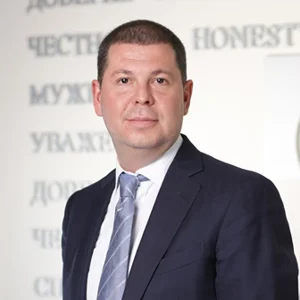
“Nature friendly technologies and overall approach to business will secure strong demand for our products in the future,” Mr Oleg Mukhamedshin, Deputy CEO, Director for Strategy, Business Development and Financial Markets, Rusal
- Category
- Interview
- Date
- Source
- AlCircle.com
- Edited By
- Beethika Biswas
AlCircle had the privilege to have an interview with Mr Oleg Mukhamedshin, Deputy CEO, Director for Strategy, Business Development and Financial Markets of Rusal, the world’s second largest aluminium producer. He spoke at length about Rusal’s current project and strategies and the global aluminium market, and shared his company outlook on aluminium demand and supply.
Here is an excerpt from the interview:
AlCircle: Rusal has reported improved Q2 and H1results for 2017. What is the company outlook for the second half of 2017?
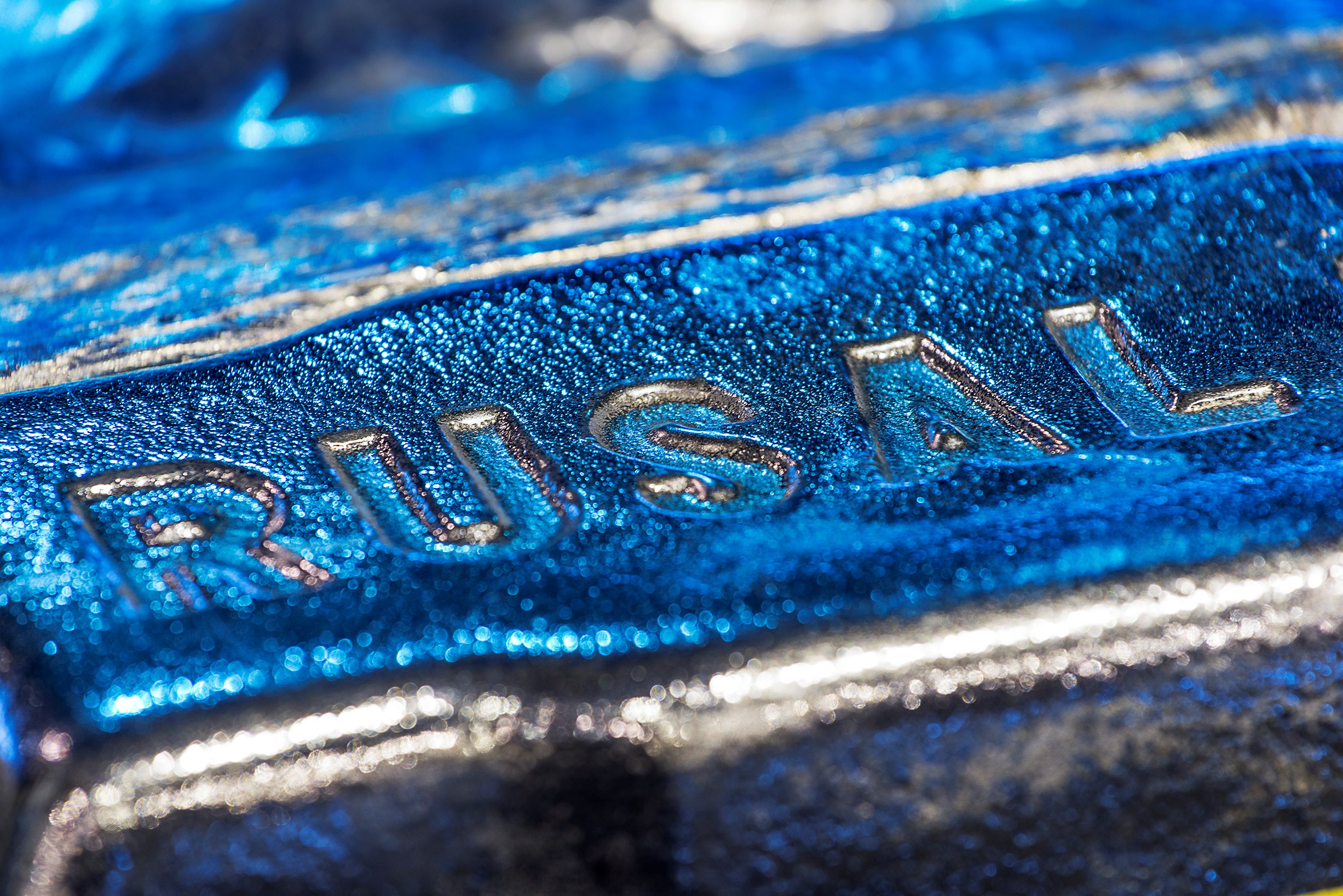
Mr Oleg Mukhamedshin: Indeed, RUSAL has demonstrated solid performance in the first half of 2017. Combination of favourable market conditions with aluminium price growth on LME to an average of USD 1,880 per tonne in 1H2017, or by 21,8% y-o-y, and the Company’s continuous focus on efficiency and cost reduction resulted for RUSAL in Adjusted EBITDA of USD510 million in 2q2017 as compared with USD475 million in the preceding quarter. RUSAL achieved Adjusted Net Profit and Recurring Net Profit of USD465 million and USD686 million, respectively, for the 1H2017, as compared to USD67 million and USD425 million for 1H2016.
In 1H2017, the world economy witnessed broad based growth, with an increase in business activity, and the main drivers for aluminium demand being from the growth in consumer spending, durable goods and also fixed asset investments. Said that, we have positive outlook for the rest of the year 2017, expecting global aluminium demand to remain healthy until the end of the year, increasing by 5,9% for the whole 2017 to 63.3 million tonnes. Specifically, the market dynamics will be contributed by ex-China growth of 4.3% to 29.5 million tonnes and China growth of 7.4% to 33.8 million tonnes.
AlCircle: Do you think curtailment of “illegal capacities” in China will balance the global aluminium market in 2018?
Mr Mukhamedshin: When considering the expected curtailments of the so-called “illegal capacities”, RUSAL expects that the Chinese aluminium market balance will improve in 2H2017 leading to a much tighter market situation in 2018.
Indeed, the spotlight is now on China following the recent announcements regarding capacity cuts, which may result in global market deficit widening to around 1 million tonnes in 2017 already. Affected by tight supply in China due to new antipollution plan and the closure of illegal capacities, global aluminum supply in 2017 will grow by 5.3% to 62.4 million tonnes, while, as we mentioned above, global demand is expected to reach 63.3 million tonnes this year.
According to Rusal estimates, global aluminium consumption in 2018 will reach 66.0 million tonnes.
AlCircle: How does Rusal plan to increase its value added products capacity considering the growing demand for aluminium in the automotive sector?
Mr Mukhamedshin: Automotive sector will remain a major catalyst of the aluminium consumption growth for at least the next 5-7 years. Today, the transport construction, which includes automobile industry, has formed the main consumer of aluminium as 27% of all aluminium produced worldwide goes to the sector. In 2016, the global automobile market increased by 5%, with 93.9 mln passenger and commercial vehicles sold around the world.
On top of nominal demand / volumes growth, the modern automotive manufacturers increasingly rely on technology and environmental friendliness of aluminium, using it as a material for car components, from engines – to body sheets, and interior details.
We are seeing stronger demand for non-wheel related alloys, for example, with copper, to give structural strength and ductility. We are building new capacities to meet the demand. There are two casting projects that we are commissioning this year, for example, the new billet capacity in Krasnoyarsk which will be servicing large billets extrusions for truck trailer segments, for forging stock of wheels.
The project is to produce 120,000 tonnes pa billets, focusing on the production of a new size range of billets, including an option for large diameter billets of 19 inches. Hard alloy billets are gaining a wider acceptance for structural and body-in-white automotive applications.
Also at KrAZ we launched a project which will allow us to produce 150,000 tonnes of slabs per year, including 55,000 tonnes of homogenized slabs per year. These types of products will also meet the demand generated in automotive manufacturing and related market segments.
At the Sayanogorsk smelter, a project to produce 120,000 tonnes of alloys per year in the form of 10 kg bars demanded by the automotive market (specifically for wheels production) has been completed.
In April 2017, RUSAL acquired a share in SKAD aluminium and alloy wheels producer, a modern foundry production facility located in Krasnoyarsk, which will increase VAP sales share in RUSAL’s portfolio, both in Russian and export markets.
Said that, RUSAL’s strategy for VAP capacities development is largely focused on automotive sector, and we do not limit our developments to a set of particular current projects.
At RUSAL, we decided to implement the IATF (International Automotive Task Force) 16949 - the basic automotive quality standard at the Company’s production facilities. On top of general focus on clients’ needs, IATF 16494 consolidates a number of requirements in use by several leading IATF member automakers, such as BMW, Chrysler Group, Daimler AG, Ford, GM, Fiat Group, PSA Peugeot Citroen, Renault AS, Volkswagen AG. Earlier this August, RUSAL Sayanogorsk (SAZ) has launched a pilot project to introduce IATF 16949 at its facilities, targeting to ‘test-drive’ the introduction procedure, and then the new standard can be implemented across other production facilities of RUSAL.
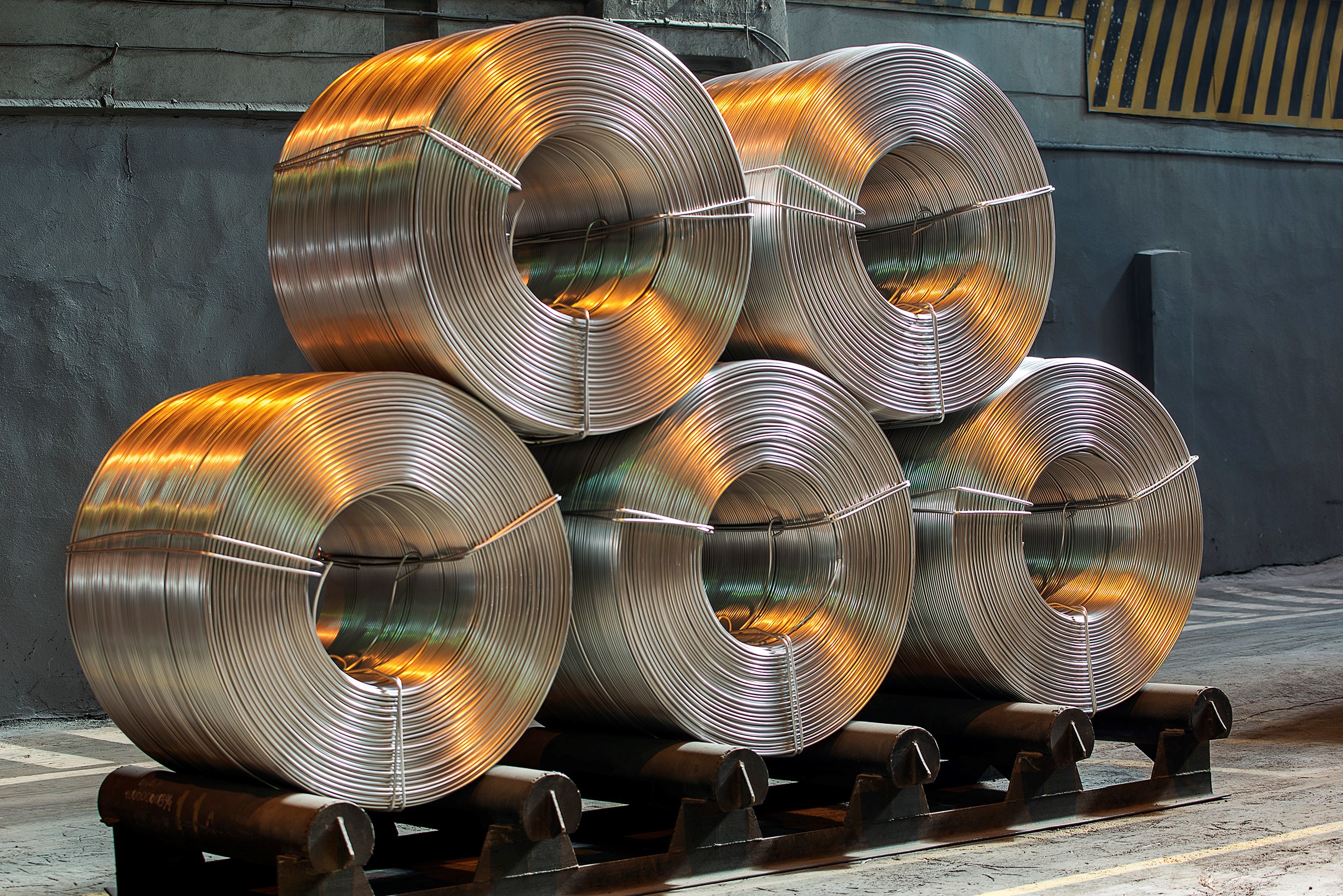
At present, RUSAL’s aluminium and alloys are supplied to leading automobile manufacturers in Asia, North America, Europe and other regions worldwide. Also, car component manufacturing will be among the core specializations of downstream productions being created within the projects initiated by RUSAL for the economic development of territories – i.e. within the Technology Valleys being established in the Russian regions of Krasnoyarsk, Volgograd, and Khakasia.
AlCircle: Does Rusal have any expansion plan for its alumina and bauxite segment?
Mr Mukhamedshin: RUSAL is always moving forward with projects developing its bauxite and alumina production, to ensure the Company has a secure resource base for decades ahead.
In 2018, RUSAL’s deposit mine of Dian-Dian in the Republic of Guinea is scheduled to begin mining bauxite, by next year to produce 980,000 tonnes of bauxite ore. The goal at Dian-Dian will be to eventually reach a production rate of 6 mln tonnes of bauxite per year. It will allow UC RUSAL to supply its alumina refineries in Ireland and Italy with in-house bauxite.
Also, restoration works are under way at BGC Friguia in Guinea. Once in operation in 2018, it is expected to produce about 1 million tonnes of bauxite per year, to be processed by alumina refinery on site that is also part of industrial complex here.
More projects include new mines exploration, for instance, at SUBR (The North Urals Mine), with the new mine’s amount of confirmed supplies of ore sufficient to last at least until mid-century, even assuming an output of 1.2 million tonnes of bauxite per year.
In mid-2018, we plan to start mining bauxite at another new deposit called Verkhne-Shchugorski at RUSAL’s Boksit Timana mining facility. Next year, the deposit is supposed to achieve 500,000 tonnes per year production rate.
All in all, in seven months of 2017 RUSAL’s miners have produced 6,485,500 tonnes of bauxite and 1,740,800 tonnes of nepheline ore, ensuring continuous operation of alumina refineries of the Company.
AlCircle: Very recently Rusal announced its plan to convert all its facilities to hydroelectricity. Tell us in brief about Rusal’s green energy targets.
Mr Mukhamedshin: RUSAL’s core smelting facilities are favourably located in Siberia, benefiting from close proximity to hydro power plants. This is a huge advantage for RUSAL since aluminium produced using hydropower generates 4-5 times less CO2 per tonne of aluminium than coal. Both of RUSAL’s newest projects - Boguchansky Energy and Metals Complex (BEMO) and Taishet Aluminium Smelter - will produce aluminium using hydro power.
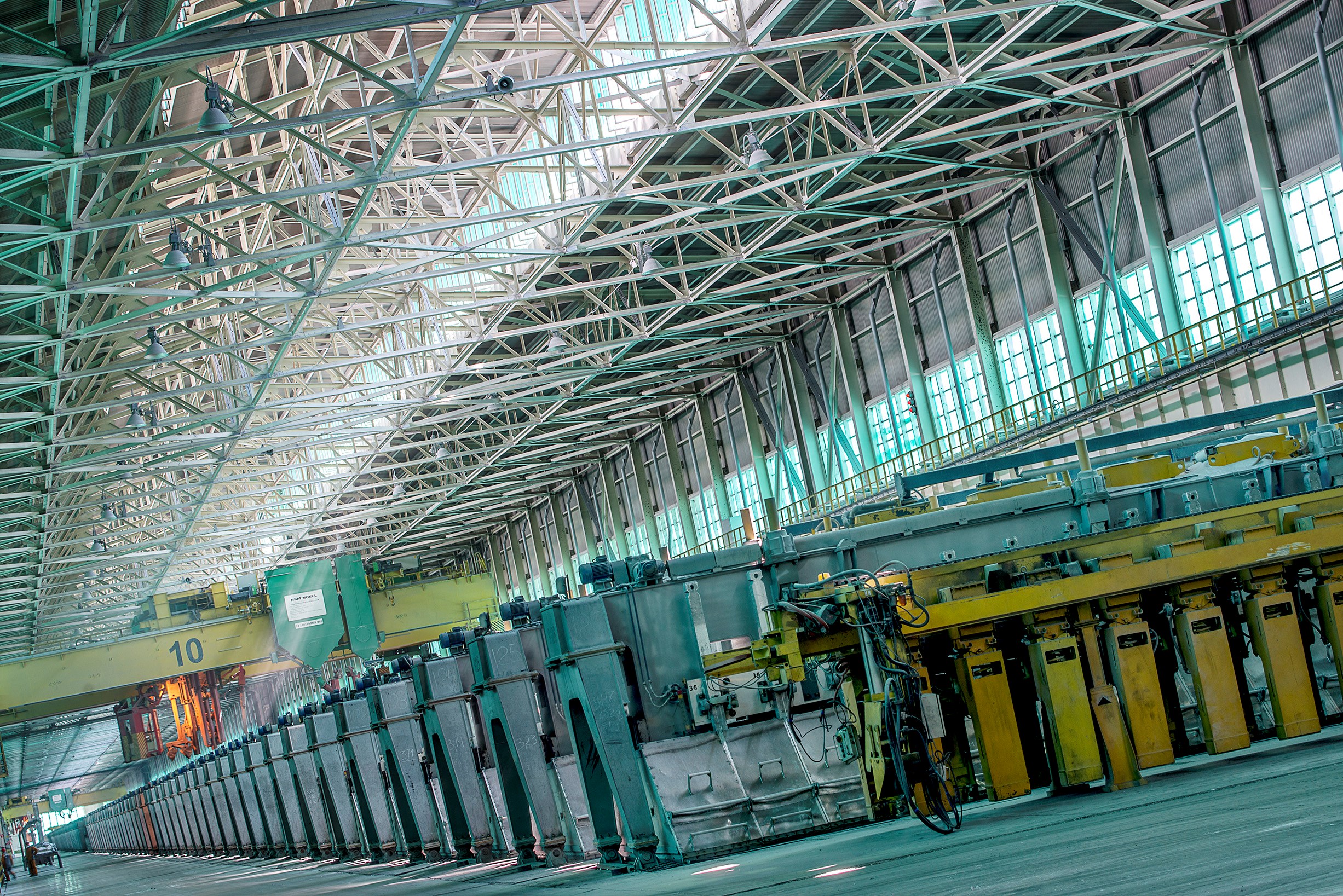
Over 90% of RUSAL’s aluminium production is powered by nature friendly renewable hydropower. RUSAL’s aluminium has one of the lowest carbon foot prints in the industry worldwide. We have recently revised the list of RUSAL’s climate goals until 2025. The major among them are:
- To purchase at least 95% of their electricity from hydroelectric power plants and other carbon free power sources.
- To reduce direct specific greenhouse gas emissions by 15% compared to 2014 through reduction processes at the existing smelters.
- To reduce direct specific greenhouse gas emissions by 10% compared to 2014 at our existing alumina refineries.
- To reduce specific aluminium smelters’ power consumption by 7% as compared to 2011.
- To achieve an average level of specific direct and indirect energy related greenhouse gas emissions from reduction processes not exceeding 2.7 tonnes of CO2e per tonne of aluminium.
AlCircle: India has become the fastest growing market with CAGR of 7.9%. Does Rusal have any plans of investing in India?
Mr Mukhamedshin: We see India among the most dynamic economies and major engines of growth in Asia. And it is an attractive market that has generated the aluminium demand growth of 7.3% - to 1.1 million tonnes in the first half of 2017.
We look with interest at this market as earlier in April this year RUSAL signed a 50:50 joint venture agreement with Runaya Metsource LLP, a company promoted by shareholders of Vedanta. The JV will be set up and operate in India, with its production specialised in hi-tech aluminium pastes and powders with a range of high-end applications, including for additive technologies and solar energy.

AlCircle: Why do you think production base for primary aluminium is shifting to Asia?
Mr Mukhamedshin: The geography of aluminium production industry has changed a lot over the recent two decades, or nearly so. The new players have grown up and came into the market, i.e. China, India, other countries in the Asian region as well as the Middle East. At that, the production growth in China and India has been driven by these countries’ boosting domestic demand with their economies, part of the BRICS, seeing vast growth rates since the millennium start. For instance, from 2000 to 2010, China’s GDP annual growth rate varied from impressive 8,3% (in 2001) to the incredible 14,2% (in 2007). Add to that active urbanization process in both China and India.
If we turn to the Middle East we would see aluminium industry growth in the region is determined by strong competitive advantage of cheap energy rather than growing local demand.
Early in this decade, global aluminium industry faced a severe overproduction crisis which forced producers outside China close down their smelters as many of them turned unprofitable. By now, China has faced a similar problem, too.
The key factor driving the shift in the aluminium production geography would be the energy efficiency. It is exactly the factor which made many regions, such as Australia, Europe, and the North America, refuse their own production in favour of imports to supply their local demand. Thus, these major markets have transferred their demand to Asia, adding it on top of the region’s own boosting demand and heating up the capacities growth even above the growing local appetites for aluminium.
Today, after years of random growth of production capacities in the region, China is showing signs of regulatory input in the aluminium industry and market development. The supply side reform in China, including the recently announced plans to close ‘illegal capacities’, starts bringing the results in terms of balancing the market, and let’s hope the measures will also be efficient in terms of reducing environmental pollution and emissions cuts, as announced by regulators.
As of 24 August 2017, according to Standard Chartered, around 4 million tonnes of illegal operating capacities and 2 million tonnes of projects under construction have been closed in China, and RUSAL expects another 2-3 million tonnes of operating capacities will be closed by the end of this year.
AlCircle: With China taking over more than fifty per cent of the world aluminium production what would be the strategy of the rest of the aluminium producing countries to survive in the market?
Mr Mukhamedshin: Let me start here by noting of the fact China does export primary aluminium, thus it does not compete any global market players in this segment. Further, as of today, China is taking active measures to reform its domestic aluminium industry tackling illegal capacities. Largely due to the recent measures implemented by China, the global aluminium market managed to achieve a balance we observe today.
However, not all the aluminium produced is the same. When making their choice, consumers all around the world become increasingly concerned about the environmental aspect of the product they buy as well as of the entire production process. Nature friendliness becomes one of the key criteria considered by the market.
In these conditions, the focus on maintaining of the market balance through disciplined approach to production, as well as sustainable development and minimizing of the environmental impact of the production process – that’s what we think a successful production and market strategy in the modern aluminium industry should be built upon. Nature friendly technologies and overall approach to business will secure strong demand for our products in the future.
Disclaimer: “The information presented herein is neither intended nor implied to be a substitute for professional advice. The views and opinions shared in the interview section of www.alcircle.com are unique to the interviewees and do not necessarily reflect the viewpoint of www.alcircle.com."

