“Icelandic aluminium production is nearly 900,000 tonnes, the second biggest in Europe after Norway”, Petur Blondal, Managing Director, Icelandic Association of Aluminium Producers (Samal)
- Category
- Interview
- Date
- Source
- AlCircle.com
- Edited By
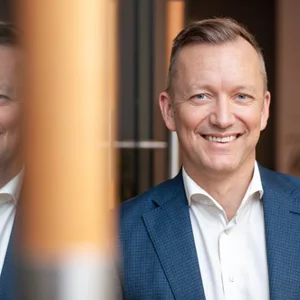
- Petur Blondal, Managing Director, Icelandic Association of Aluminium Producers (Samal)
Petur Blondal is the Managing Director of the Icelandic Association of Aluminium Producers. He is one of the founders and board members of the Icelandic Aluminium Cluster. Petur is a former journalist and editor at Morgunbladid, Iceland’s biggest daily. He was the Head of PR and investor relations at Islandsbanki and was the founder and Head of a PR division at Gott folk McCann-Erickson. In addition to his BA in philosophy from the University of Iceland, Petur holds an MBA from the University of Reykjavik.
AlCircle: Could you share the journey of the Icelandic Association of Aluminum Producers, Samál, from its inception? What was the primary intent behind the formation of this association?
Petur Blondal: Samal, as the Icelandic Association of Aluminium Producers is called, was founded in 2010 by the three aluminium production companies in Iceland, Rio Tinto Iceland, Nordural and Alcoa Fjardaal. The organisation's goal is to promote the interests and development of the Icelandic aluminium industry and encourage education and information flow regarding the industry.
Icelandic aluminium production is nearly 900,000 tonnes, the second biggest in Europe after Norway. The export value of Icelandic aluminium producers in 2022 was around 400 billion ISK or approximately $2.8 billion. It amounted to a fourth of the total export value of the Icelandic economy. Every year the three aluminium companies buy services and goods from hundreds of Icelandic companies. In 2015 Samál took the initiative to find a formal aluminium cluster with around forty companies and foundations.
The aluminium cluster focuses on creating a network in the industry and supporting research and development. The Innovation Day of the Aluminium cluster is held every year at the University of Reykjavik and the University of Iceland, where the newest research and developments are discussed, and students receive grants for research in the field of aluminium.
AlCircle: Interested in learning more about the Icelandic Association of Aluminum Producers?
Petur Blondal: The aluminium industry in Iceland is based on primary aluminium production. Aluminium production in Iceland began in 1969 when the Icelandic Aluminium Company (ISAl) built its plant in Straumsvik, close to the capital area of Reykjavik. The initial production capacity was 33,000 tonnes per year. Since then, the plant has expanded and increased its production capacity to 207,000 tonnes annually. Rio Tinto now owns the plant.
In 1998 production by another aluminium smelter was started, Nordural in Grundartangi, half an hour from the Reykjavik area. Nordural was then owned by the American company Columbia Ventures Corporation. The initial capacity of the plant was 60,000 tonnes per year. In 2004 the company was acquired by Century Aluminium, and its current production capacity is over 300,000 tonnes.
The newest smelter is the Alcoa Fjardaal plant in Reydarfjordur in the east of Iceland, which started its production in 2007. The Alcoa plan is the largest aluminium smelter in Iceland, with a production capacity of 350,000 tonnes.
AlCircle: In terms of primary aluminium production, what is Iceland's total capacity?
Petur Blondal: The aluminium industry in Iceland was close to total capacity in 2022. It has been investing in the value-added production of wires and alloys. In recent years the capacity has remained steady at around 850,000 to 900,000 tonnes. In a way, it’s like the fishing industry, where the catch does not vary much between years, but we have learned to make products from every part of the fish, and now the fillet is the least valuable part. The produced aluminium is exported mainly to Europe, where it is used in downstream industries of various types.
AlCircle: What is your thought on low-carbon aluminium? Do Iceland's aluminium smelters produce low-carbon aluminium?
Petur Blondal: Electric power is the most significant single factor in global aluminium production's carbon footprint. In Iceland, the energy produced is renewable. This, along with stable operations and investment in solid production facilities, has ensured the carbon footprint of aluminium production is nowhere smaller than in Iceland, according to analysis from CRU.
The Icelandic aluminium industry aims for carbon neutrality and is actively involved in development and innovation projects that seek methods of capturing and sequestering or harnessing CO₂ emitted in the production. The focus is to minimize the effect on the environment and climate – you could say it is a core competence of the industry. All the smelters in Iceland are ISO certified in various fields and ASI certified.
Icelandic aluminium is already being marketed as low-carbon aluminium, which might lead to further marketing opportunities in the future.

