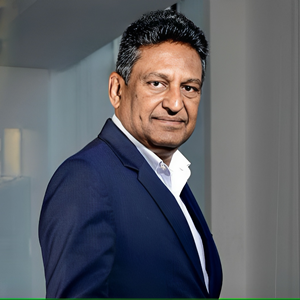
“Asia's non-ferrous metal industry, specifically aluminium, has several key opportunities for growth,” Parmod Sagar, Managing Director & CEO – India, RHI Magnesita
- Category
- Interview
- Date
- Source
- AlCircle.com
Parmod comes with more than 3 decades of extensive experience of serving the steel and refractory industry. A Mechanical Engineer by profession, Parmod started his career in the steel industry and worked in the sector for over 7 years gaining valuable insights. Thereafter, he transitioned to the refractories business joining Orient Refractories Limited (ORL) as a Manager -Technical Marketing in 1992. In 2013, after RHI AG acquired ORL, Parmod was appointed in the role of Managing Director & CEO of ORL. He currently holds the position of the Managing Director and CEO of the RHI Magnesita India Ltd. Additionally, he is also the President of World Refractories Association.
AL Circle: How do you see the aluminium industry's future evolving in the Asian market, particularly in the context of rising demand and sustainability concerns?
Parmod Sagar: As global demand for aluminium (Al) rises, it's imperative for companies to recognise the critical role of high-quality refractory materials. Reliable and sustainable supply chains for these materials are becoming increasingly important. Rather than one-off transactions, long-term business relationships will become crucial for ensuring that producers receive consistent, high-quality refractory solutions in the right quantities and on time. At RHIM, we are dedicated to meeting the needs of our customers worldwide.
Additionally, the development of downstream industries, particularly in the automotive, aerospace, and space sectors, must be focused upon. While these areas are not our primary focus, the growing demand for sophisticated refractory solutions presents a significant opportunity. RHIM is uniquely positioned to support and drive innovation in these sectors with our advanced refractory and technology solutions, aligning with our commitment to excellence and customer satisfaction.
AL Circle: From RHI Magnesita India's perspective, what are the key opportunities and challenges for Asia's non-ferrous metal industry, specifically aluminium?
Parmod Sagar: Asia's non-ferrous metal industry, specifically aluminium, has several key opportunities for growth. Offering comprehensive turnkey packages for the primary sector includes material supply, services, and after-sales support, which is a significant advantage. Emphasizing green and sustainable refractory production aligns with global environmental goals and can set industry standards. Decarbonising the primary aluminium industry through innovative technologies and advanced refractory product design presents a crucial opportunity for reducing carbon footprints. Additionally, the high-intensity recycling of used refractory products can enhance sustainability and resource efficiency, positioning Asia as a leader in the non-ferrous metal industry.
Talking about challenges, the key challenge that the industry in Asia faces is ensuring and managing the long-term sourcing of quality raw materials. Additionally, reducing CO2 output and adhering to intensified environmental measures are pressing concerns that require innovative solutions. Also, attracting and retaining skilled and motivated employees for the long term is vital for sustaining growth and innovation. Another key challenge is navigating the low market prices for refractory materials, which can impact profitability and investment in sustainable practices. Addressing these challenges is essential for the industry's future success and competitiveness.
AL Circle: How do you see the competitive landscape for high-grade refractory solutions shaping up in the Asian market? What are the unique strengths that RHI Magnesita India brings to the table?
Parmod Sagar: The competitive landscape for high-grade refractory solutions in the Asian market is evolving rapidly. With increasing industrialisation and infrastructure development, demand for high-quality refractories is surging. Companies now focus on innovation, sustainability, and technology-driven solutions to meet stringent environmental regulations and efficiency demands. There is an increased investment in R&D to develop advanced materials that offer superior performance and longevity.
Due to market demand for Al output (+40% by 2030), limited raw material resources, expected requests for improved refractory quality, and the necessity of CO2 emission reduction, we could assume further consolidation of refractory suppliers until 2030. Additionally, strategic partnerships and long-term contracts are becoming crucial for securing market share. As the market grows, competition will intensify, driving continuous improvement and the adoption of best practices in production and recycling to maintain a competitive edge.
RHIM is a sustainability leader in the global refractory industry, with proprietary technology for increasing the use of secondary raw materials without loss of refractory performance, significantly reducing CO2 emissions. Our vertical integration with low-cost, high-quality raw material assets provides security of supply.
AL Circle: Based on your expertise, what is your long-term forecast for the demand for high-performance refractory products in the Asian aluminium industry?
Parmod Sagar: As the industry expands, driven by increasing demand for aluminium in sectors like automotive, construction, and aerospace, the need for advanced refractory solutions will grow significantly by 6-7%. The long-term forecast for high-performance refractory products in the Asian aluminium industry is highly positive and is estimated to grow to 7% during 2024-30. The trend continues and is equally promising for the Indian aluminium industry as its growth rate is about 8% during the same period. Enhanced focus on sustainability, energy efficiency, and environmental compliance will drive the adoption of high-performance refractories. Technological advancements and the shift towards decarbonisation will further boost demand. RHIM expects a higher growth rate for high-performance refractory products as the base is smaller. With Asia's pivotal role in global aluminium production, the market for top-tier refractory products is set to experience sustained growth, presenting substantial opportunities for innovation and investment.
AL Circle; How do RHI Magnesita India's refractory solutions optimise performance and enhance safety in aluminium production facilities?
Parmod Sagar: RHI Magnesita India has been improving its production facilities continuously with the adoption of new technologies and measures to produce quality aluminium-based products. We have been incorporating the new possibilities that the industry has to offer. With the acquisition of PD refractories, we have been scaling up offerings for the aluminium industry.
From anode baking furnace and potline to smelter, PD has various alumina-based refractories with technology approved by OEMs like Riedhammer GmbH, Pechiney, etc. And we look forward to capitalising on the resources we must enhance the existing production facilities.
AL Circle: Can you elaborate on how your refractory materials are designed to withstand the specific challenges faced in aluminium production, such as big thermal shock, abrasion, chemical attack, and extreme temperatures?
Parmod Sagar: With the new acquisitions, RHIM India has also gained access to the facilities that they provide. With PD Refractories, we are now able to produce with the potential that the aluminium industry has to offer. We have also acquired seven refractories, which is known for its offerings for the aluminium industry.
For instance, we now have products for two levels of aluminium production: primary and secondary. RHIM now has scope for anode baking furnaces and potlines as well as smelters, which come under the primary aluminium sector. Similarly, for the secondary segment, seven is instrumental for the cast house and maintenance areas. It has been active for a long time now in castable production. Hence, these two strategic acquisitions provide RHIM the opportunity to expand its presence in the aluminium industry further.
AL Circle: With a focus on the aluminium industry, how does RHI Magnesita India's comprehensive product and service portfolio cater to the diverse needs of aluminium producers? (e.g., bricks, castables, ramming materials, etc.)
Parmod Sagar:RHIM India has a range of products and services catering to the different needs of the producers, such as thermodynamic calculations of refractory interactions, bricks in standard and special shapes (complex geometries with very tight tolerances), High-temperature heat insulation, and Customized, engineered lining solutions among others. Our R&D initiatives consisting of metallurgists, mechanical engineers, and ceramic engineers are always working to provide innovative solutions catering specifically to the needs to enhance the product quality and offerings to the producers.
AL Circle: How is RHI Magnesita India innovating its refractory solutions to promote sustainability and energy efficiency within the aluminium industry?
Parmod Sagar: As the aluminium industry continues to evolve with growing demands, RHIM India is a frontrunner in developing innovative refractory solutions that enhance sustainability and energy efficiency. Rather than focusing solely on individual products, we are shifting towards a more integrated business model that aligns with our customer’s specific production needs in their sectors.
For instance, in our brick products designed for aluminium reduction cells (ABF) and potlines, we are exploring advanced strategies to optimise production capacity management. With this approach, we create tailored solutions that address immediate product requirements and contribute to long-term efficiency and sustainability. Our goal is to work in tandem with our customers to understand their needs and deliver solutions that drive operational excellence and environmental stewardship.
AL Circle: What message would you like to convey to Aluminium industry professionals regarding the importance of high-quality refractories?
Parmod Sagar: Investing in top-tier refractory materials ensures consistent production quality and contributes to the sustainability of operations. By prioritising high-quality refractories, the aluminium industry can achieve improved performance, increased profitability, and a competitive edge in the global market.
We at RHIM emphasise that high-quality refractories are vital for maximising efficiency and longevity in operations. Premium refractories not only withstand extreme temperatures and chemical wear but also enhance energy efficiency and reduce downtime, leading to significant cost savings. Additionally, a high-quality refractory will provide a longer lifetime (e.g., ABF 180 to 200 cycles instead of 80-100), more efficiency, and more productivity for the facility and used equipment. In short, the long lifetime of refractory leads to reduced CO2 emissions, lesser waste, and a reduced ROI period for the new facilities.

