您想继续阅读英文文章还
是切换到中文?
是切换到中文?

THINK ALUMINIUM THINK AL CIRCLE

It has been reported that Press Metal Aluminium Holdings Bhd is about to expand its extrusion capacity in its Klang plant at Selangor to suffice the rising demand for solar panels.
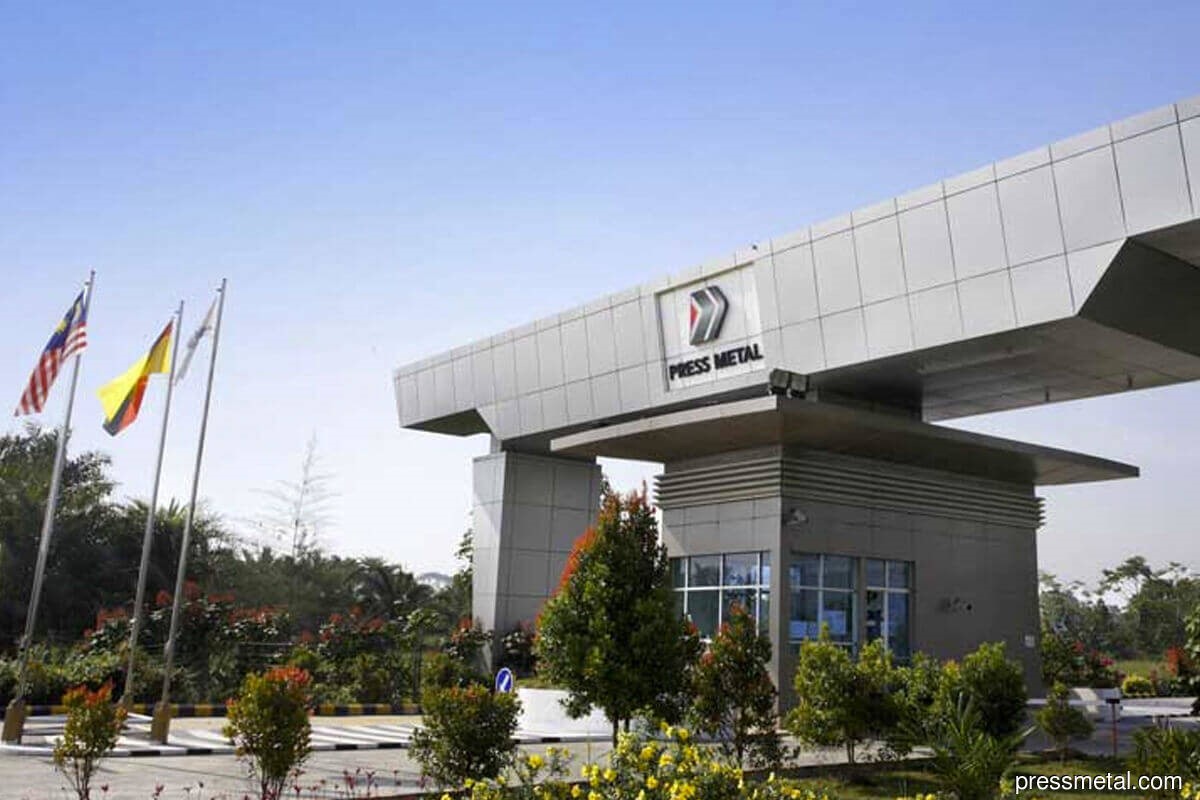
Tan Sri Koon Poh Keong, the firm's chief executive officer, assured that Press Metal was hoping for an additional 30,000 tonnes per year capacity increase since this new expansion will only focus on the manufacturing of solar frames. The group has projected that the newly enhanced aluminium extrusion plant will be fully optimised by the second half of 2023.
Press Metal's Klang extrusion plant currently possesses an annual capacity of 50,000 tonnes, whereas the company's second extrusion press in Foshan, Guangdong Province, China, flaunts an irreplaceable capacity of 160,000 tonnes yearly.
At this moment, both these plants ensure that Press Metal can remain a world leader with a combined aluminium extrusion capacity of 210,000 tonnes per year.
Press Metal's extrusion plants manufacture a vast range of items, often revered by the automobile, construction, electronic and other commercial sectors.
Koon mentioned in the company's 2022 annual report: "Our China extrusion operations have been actively exploring new applications in the electric vehicle and renewable energy sectors, which are touted as the next demand drivers for aluminium."
"Installation of the first extrusion line for aluminium battery casing was completed and began production in our extrusion facilities in Foshan during the year (2022)."
Koon seems to be actively searching for ways to make Press Metal a one-stop juncture for all the aluminium extrusion requirements in the world. He is enthusiastic about venturing into uncharted lands to discover more opportunities for the company. In his quest, the chief executive officer is eager to seek out new applications of aluminium in the automotive or electric vehicles industry.

At the moment, Press Metal has the lion's share of business in areas like China, where 31% of its aluminium extrusions are shipped, Malaysia keeps 19%, the United Kingdom and the United States fetch 19% as well, and Australia gets only 6% of it.
Responses