您想继续阅读英文文章还
是切换到中文?
是切换到中文?

THINK ALUMINIUM THINK AL CIRCLE

Australian lithium and renewable energy producer Vulcan Energy (VUL) has disclosed a newly sanctioned method to create a much more sustainable loop around its lithium brine project in Germany's Upper Rhine Valley region. In a major breakthrough, the company announced using aluminium-based 'sorbent' that might eliminate the need for acid washes making the production process greener.
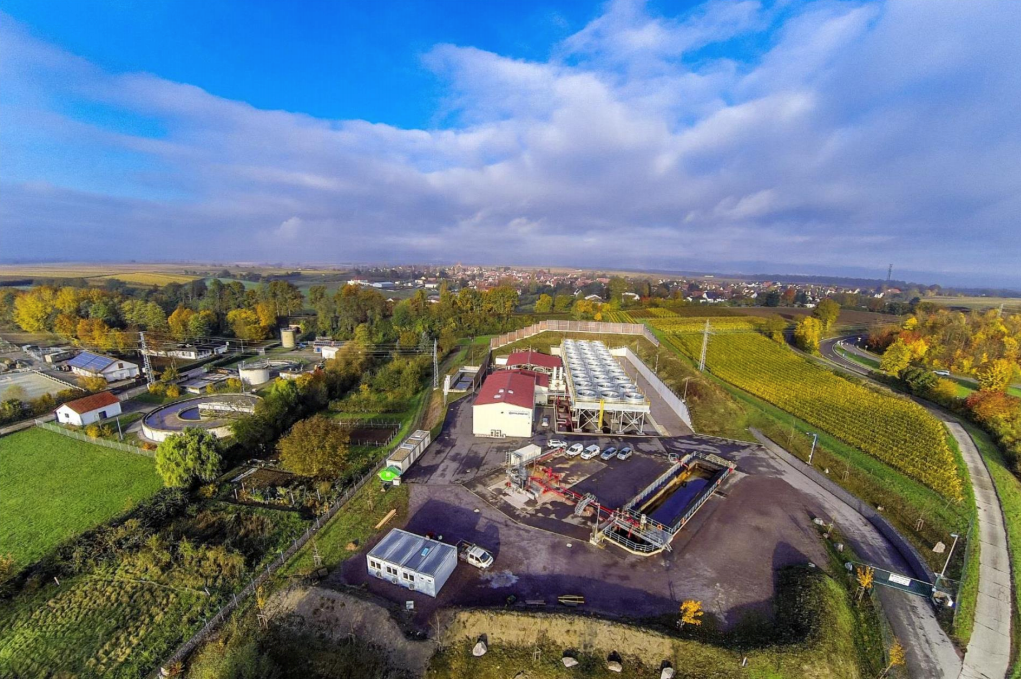
Vulcan Energy has adopted the Direct Lithium Extraction (DLE) process for the extraction of lithium from feedstock. This is a well-established and widely used approach in the industry. According to Darcy Partners, a reputable advisory firm, DLE is gaining popularity in downstream lithium processing, partly due to its alignment with ESG targets and decarbonisation strategies.
Vulcan Energy has opted for the Adsorption method of DLE, considered the most environmentally-friendly approach. The company employs an aluminium-based 'sorbent' that lithium molecules attach to in a treatment pond, thereby eliminating the need for downstream acids and acid washes, which enhances its sustainability quotient.
The VULSORB sorbent product, patented by Vulcan Energy and developed in Germany and France, is a crucial component in fuelling the German DLE project.
The company stated in a press release: "VULSORB offers higher lithium capacity than other lithium aluminate intercalate sorbents available on the market."
Vulcan Energy initiated primal production at its pilot plant in 2021, with laboratory scrutiny completed in 2020. The company has more than ten thousand smooth operational hours to boast about. At present, the pilot plant is retracting critical data from the definitive feasibility study (DFS) being conducted for the lithium project.
Moreover, Vulcan's new lithium extraction plant has been strategically located near a geothermal power plant so that it might hook onto green or renewable energy for the humungous project. Vulcan Energy's lithium plant in Germany will be activated before 2024.
The DLE process basically utilises water to clean lithium downstream, cutting down risky environmental factors and omitting waste generation.
Though DLE is becoming extremely popular with its incredible outcome, the defining science behind it has age-old commercial connotations. It has been claimed that Adsorption DLE (A-DLE) can attain extravagant recovery rates, with a yield capacity of over 90 per cent.
Goldman Sachs' analysts reported: "The implementation of DLE technologies has the potential to significantly increase the supply of lithium from brine projects (much like shale did for oil), nearly doubling lithium production on higher recoveries."
"[This comes] with the added bonus of offering ESG/sustainability benefits, while also widening rather than steepening the lithium cost curve … we prefer briners to miners," it was stated.

Vulcan Energy has a successful footfall in both ASX and Frankfurt Stock Exchange but is not the only company exploring the A-DLE technology. Other big players eyeing exponential growth with this technology are Albemarle, SQM, Rio Tinto, Exxon Mobil, Compass Minerals, Occidental Petroleum Corporation, Chevron and Eramet.
Responses