您想继续阅读英文文章还
是切换到中文?
是切换到中文?

THINK ALUMINIUM THINK AL CIRCLE

State-backed research house Antaike said on Thursday, June 3, that primary aluminium production in China is expected to increase until 2024, after which secondary or recycled metal will claim a bigger share of consumption.
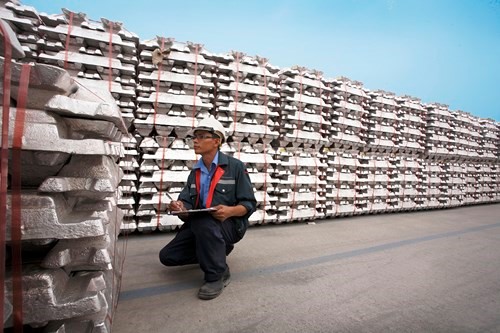
China is by far the world’s biggest aluminium producer. In 2020, the country churned out a record 37.08 million tonnes of the metal. But the government is now determined to cap annual smelting capacity at 45 million tonnes considering carbon emission issues. Hence, producers are looking to recycle more scrap metal instead.
After years of rapid growth, China’s aluminium consumption has “entered the stage of slowing down” and is also expected to peak around 2024, said Antaike chief aluminium expert Xiong Hui.
He explained, "There will be the growth in secondary aluminium production - the demand for primary aluminium will tend to decline."
Antaika also estimates carbon emissions from China’s primary aluminium sector to peak by 2025.
As aluminium production is the most energy-intensive procession, the emission reduction task is very difficult and urgent, said Xiong.

She nonetheless projects a 25.9 per cent drop in emissions from China’s primary aluminium industry from 2025-2030 as smelters seek to reduce their reliance on coal and tap cleaner sources of electricity.
Xiong estimates that in 2035, carbon emission from primary aluminium production will account for 68.3 per cent of China’s overall aluminium emissions, down 6.8 percentage points from 2020.
Responses