您想继续阅读英文文章还
是切换到中文?
是切换到中文?

THINK ALUMINIUM THINK AL CIRCLE

Impact Minerals Limited has announced a significant milestone in developing its Lake Hope High Purity Alumina (HPA) Project, located approximately 500 kilometres east of Perth, Western Australia. The company has lodged a Mining Lease Application (MLA 63/684) alongside a Miscellaneous Licence (L63/99), marking a crucial step forward as the project advances towards production.
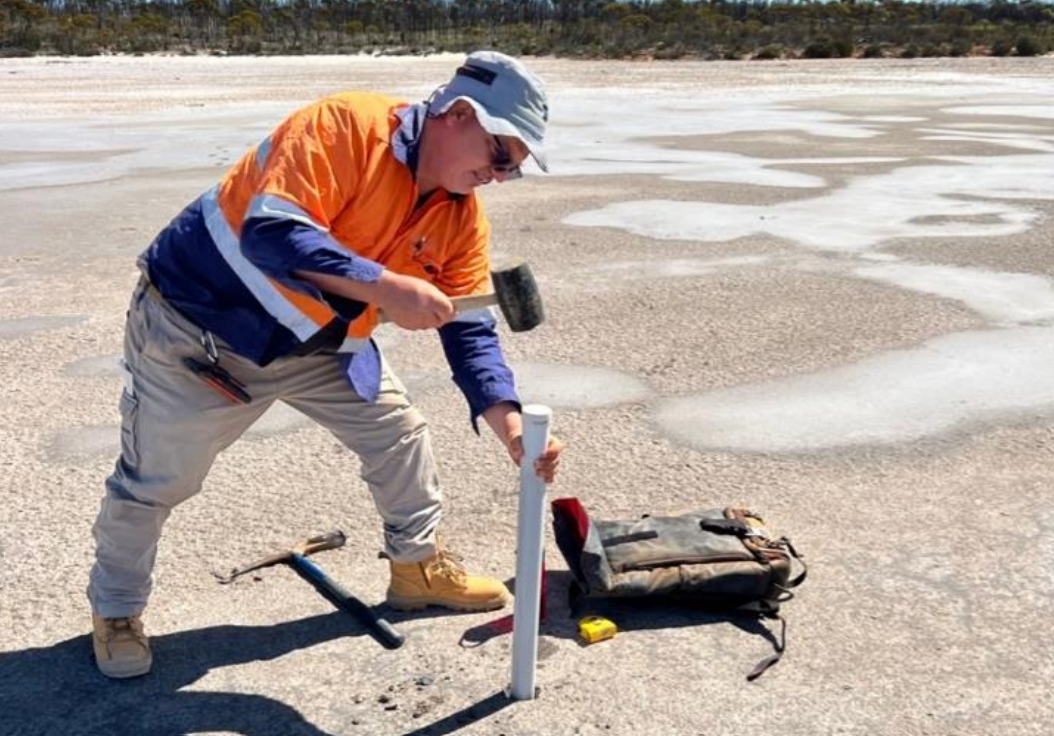
Impact Minerals Limited is emerging as a significant force in the High Purity Alumina (HPA) industry with a steadfast commitment to excellence and a strategic vision to leverage Australia's rich mineral resources. By meticulously selecting projects, conducting thorough evaluations, and maintaining a strong focus on profitability, the company strives to deliver enduring value to its shareholders while fostering sustainable growth within the mining sector.
The Mining Lease Application covers the West Lake resource, while the Miscellaneous Licence is intended to facilitate the necessary mine infrastructure and haulage road. These developments pave the way for securing the statutory approvals required for the grant of the Mining Lease.
Impact Minerals has outlined a clear pathway to the lease grant, focusing on two key areas. First, the company reviews a negotiation protocol for Land Access and cultural heritage agreements with the Ngadju people. Second, further seasonal flora and fauna surveys are planned to support the environmental approvals process.
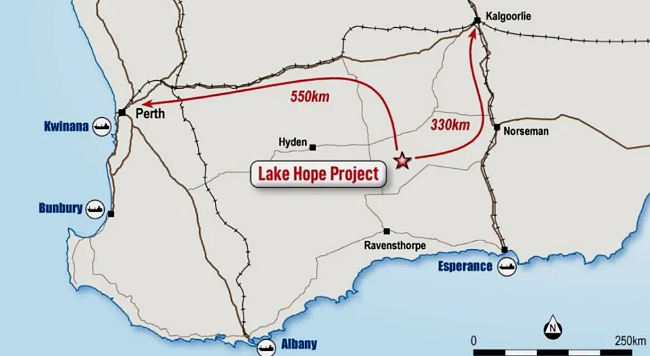
Moreover, mining studies are currently underway as part of the Pre-Feasibility Study. These studies will provide detailed insights into mining schedules, proposed equipment, site logistics, and the costs associated with mining and transporting ore to Kwinana. This thorough approach underscores Impact Minerals' commitment to advancing the Lake Hope HPA Project toward successful production, instilling stakeholder confidence.
The approvals process, logistics, estimated mining costs, and transport of Lake Hope mud to the processing plant are critical components of the ongoing Pre-Feasibility Study (PFS) for the Lake Hope Project. Impact Minerals can acquire an 80 per cent stake in Playa One Pty Limited, which owns the Lake Hope Project and its associated intellectual property by completing this PFS.
The PFS follows a successful Scoping Study, demonstrating that, with a benchmark production of 10,000 tonnes per annum of High-Purity Alumina (HPA), the project has an estimated post-tax Net Present Value (NPV8) of approximately A$1.3 billion. This positions the Lake Hope Project as a potential low-cost leader in HPA production globally.
All material assumptions underlying the production target and the financial forecasts presented in the Scoping Study remain valid and have not materially changed within the +/-30 per cent accuracy range.
Let's dive deep into high-purity alumina (HPA)
High-purity alumina (HPA) is a premium-grade alumina with a 99.99 per cent or higher purity level. This exceptional purity is achieved through various advanced manufacturing processes, including the alkoxide method, thermal decomposition, chlorine hydrolysis, and modified Bayer process. In 2020, the High Purity Alumina Market was valued at USD 1.40 billion and is projected to reach USD 10.45 billion by 2030, growing at a compound annual growth rate (CAGR) of 22.6 per cent from 2021 to 2030.
HPA's outstanding properties, such as excellent thermal conductivity, high melting point, chemical stability, and high mechanical strength, make it ideal for producing a range of electronic and automotive components. These include LED lights, semiconductors, plasma display screens, and lithium-ion (Li-ion) batteries.
The market for high-purity alumina is not just growing; it's expanding at a rapid pace. This expansion is driven by the increasing use of smartwatches, optical lenses, and plasma TVs, as well as the rising demand for Li-ion batteries due to the growth of electric vehicles.
The market for high-purity alumina is segmented into various categories, providing a comprehensive overview of its applications and technologies. These include types such as 4N, 5N, and 6N high-purity alumina; technologies like hydrolysis and hydrochloric acid leaching; and applications such as LED bulbs, semiconductor substrates, Li-ion batteries, optical lenses, biomedical devices, and others. Geographically, the market is divided into North America, Europe, Asia-Pacific, and the Rest of the World (RoW).
Asia-Pacific holds the largest market share due to the growing adoption of LED lighting and Li-ion batteries in countries like India, China, and South Korea. In China, commonly used LED lighting products include light-emitting diodes (LEDs), compact fluorescent lamps (CFLs), electrodeless discharge lamps (EDLs), and organic light-emitting diodes (OLEDs). However, North America is expected to experience rapid growth in the HPA market, driven by increased adoption in the electronics industry and the development of high-end products.
Responses