您想继续阅读英文文章还
是切换到中文?
是切换到中文?

THINK ALUMINIUM THINK AL CIRCLE

Indian aluminium makers including Hindalco Industries and Vedanta Ltd. are reportedly boosting sales to Japan amid the United States’ lofty import tariffs and sanctions against Rusal.
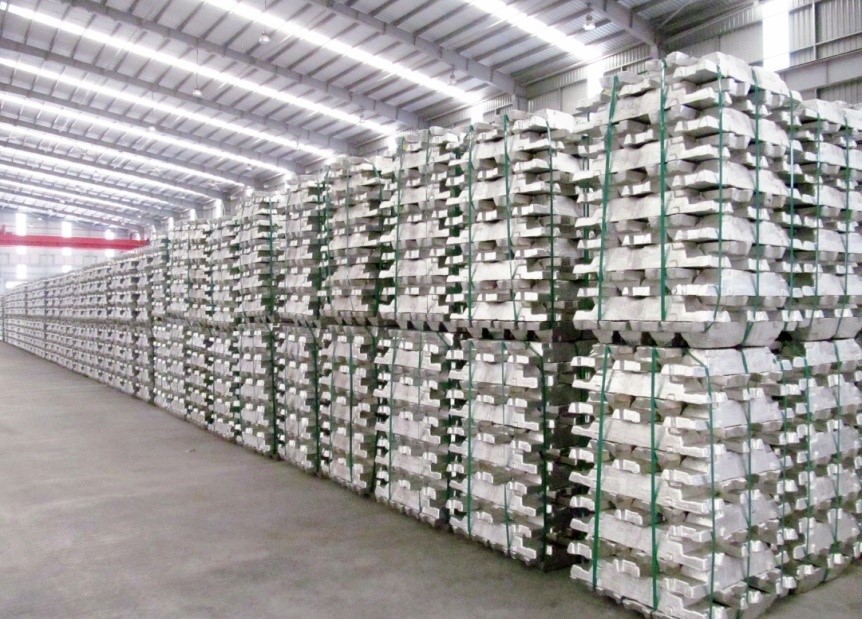
Usually, Japan, being a quality concerned consumer, never regarded the products from India a high enough quality. They rather preferred top-tiers producers like Rio Tinto, Alcoa, and South32 as well as United Company Rusal.
But in the background of US sanctions and tariffs, Japan reportedly secured 59,545 tonnes of aluminium ingot in the eight months of 2018, double a year ago, while material from Russia fell 21 per cent to 175,694 tonnes, Japanese trade data showed.
"Because of the sanctions, consumers would like to ensure some security of supply, so they'd like to prefer multiple suppliers instead of one supplier," Samir Cairae, chief executive of Vedanta's diversified metals business in India, told Reuters.
This increased trade in India is anyway a blow to Rusal, the world’s second-largest aluminium maker, which accounted for 20 per cent of Japan’s imports of both aluminium ingot and alloy in 2017.
Customers globally started finding alternative sources of aluminium soon after the sanction was declared on Rusal. Some were even reluctant to purchase after the sanctions were eased, and they were likely to permanently diversify supply chains, said a source at a Japanese trading house.
Japanese trading houses such as Mitsubishi Corp also imported supplies from India as well as from other countries to help customers diversify supply, trading sources said. Mitsubishi, however, declined to comment on this.

Imports of aluminium alloy from India also jumped 3,008 tonnes over the same period, while Russian imports fell 10 per cent to 185,685 tonnes.
But according to a second trading house source, products from India are mainly refined ingots rather than value-added products such as billets and slabs. So, it thinks substitute material for Rusal's higher quality products must have come from the Middle East and Malaysia.
Responses