您想继续阅读英文文章还
是切换到中文?
是切换到中文?

THINK ALUMINIUM THINK AL CIRCLE

Due to the ongoing persistent real estate crisis, a privately operated aluminium producer, Golden World Innovation Aluminium, located in Guangdong, the southern manufacturing hub of China, has compelled its employees to undergo a five-month leave with reduced salaries. This situation brings attention to the looming unemployment challenges for the world's second-largest economy, as reported by South China Morning Post, the Hong Kong-based English-language newspaper owned by Alibaba Group.
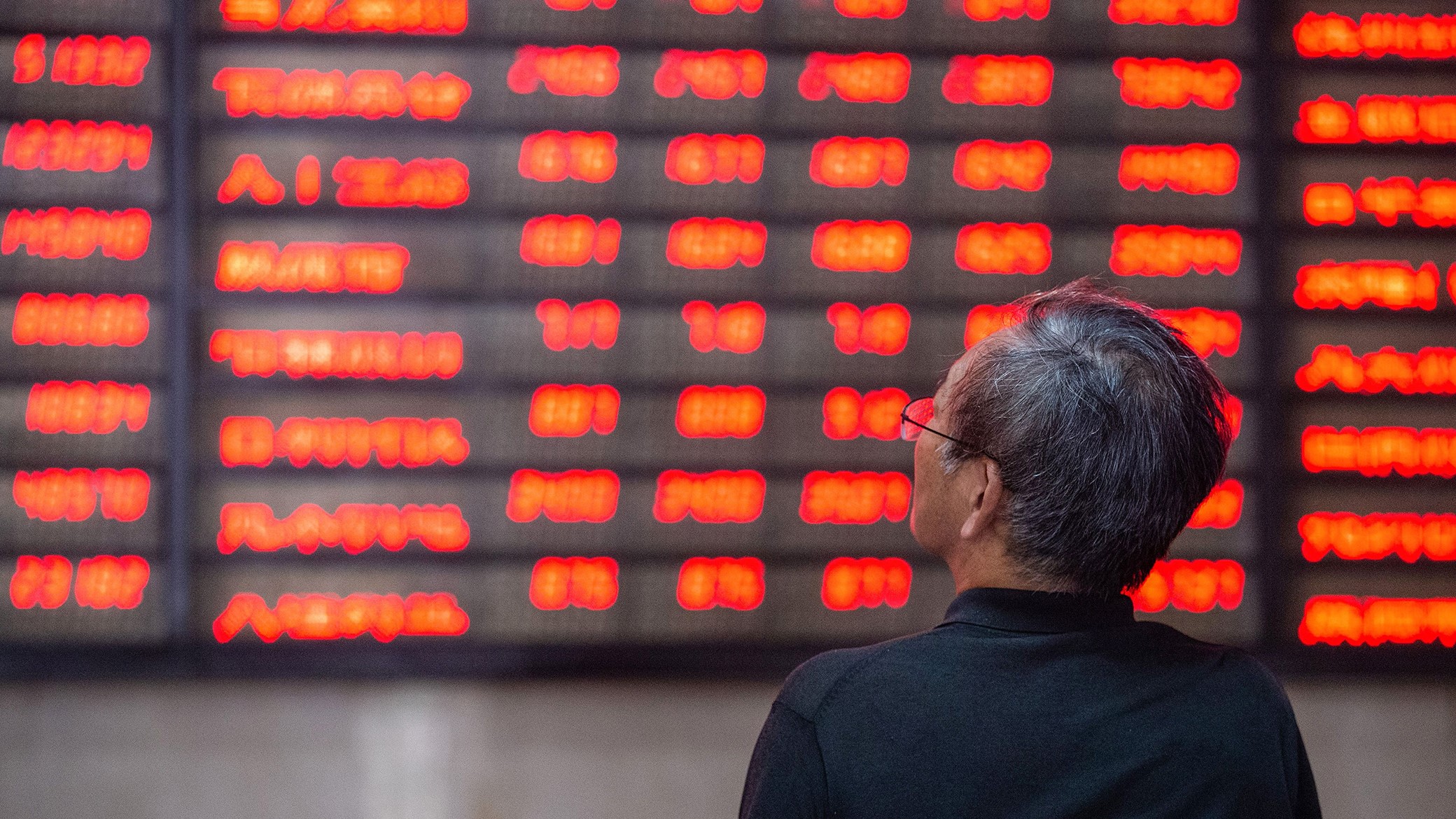
In 2023, China's economy needed more expected results across various aspects despite implemented support measures, thereby dampening its prospects. The resultant weakness has exerted pressure on employment, a longstanding priority for China, the world's second-largest economy, to generate sufficient jobs to ensure economic and social stability.
Unemployment challenges rise despite official statistics
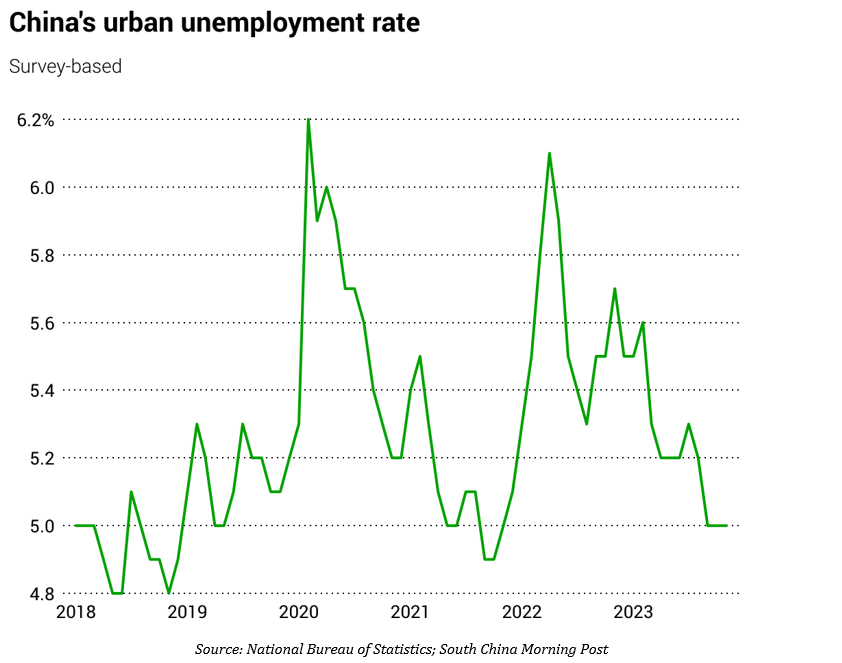
The latest official jobless data, represented by the urban surveyed unemployment rate, indicates a consistent stabilisation in the situation over the past few months. It has consistently held at 5 per cent for three consecutive months, remaining within the government's target range of 5.5 per cent.
Concerns have arisen as certain companies have introduced extended periods of unpaid leave or cutbacks in response to a challenging market environment. However, analysts are urging increased policy support to rejuvenate domestic demand and stabilise manufacturing production.
It has also been reported that as production is on hold, employees choosing to stay with Golden World Innovation Aluminium have been informed that they will be granted only 80 per cent of the legally mandated minimum monthly salary of RMB 1,900 (US$266) in accordance with Foshan's labour laws. This amounts to a third or less of their usual income until the beginning of April. Golden World Innovation Aluminium remained unresponsive to inquiries for comments.
Since 2008, Chinese provinces and cities have established mechanisms to monitor shifts in employment positions within enterprises, providing quarterly public releases of this information. However, there needs to be more comprehensive statistics to assess the overall magnitude of production suspensions or extended unpaid leave, relying primarily on company statements or media coverage.
According to a labour market report by the Foshan government in early November, demand from the city's manufacturing sectors increased in the third quarter compared to the previous year. Still, it remained behind the services sector for two consecutive quarters.
China's private sector struggles to rebound fully
China's private sector, traditionally the driving force behind its economic expansion, still faces challenges in its recovery. Fixed-asset investment in the private sector experienced a contraction of 0.5 per cent during the first 11 months of the year, starkly contrasting to the 6.5 per cent increase observed in the state sector.
Golden World Innovation Aluminium, which enjoyed prosperity during the peak of the property sector, is currently wrestling with dwindling orders due to the ongoing real estate crisis. This downturn has emerged as a significant impediment to the overall economy, impacting various sectors.
Skilled workers in their forties can earn over RMB 7,000 monthly by dedicating approximately 60 hours per week to their work. However, with a decrease in orders, the producer, equipped with a monthly production capacity of about 400 tonnes, is currently facing challenges in reaching a break-even point.
Real-estate downturn impacts across industries
The downturn in the real estate market has created a ripple effect, impacting industries beyond just aluminium production. Yaxin Iron and Steel Group in Henan has declared a halt in production, while Raymond Zheng, the proprietor of a piling company, has been forced to place a significant portion of his workforce on unpaid leave.
The disruption in the funding chain across different sectors is causing solvency challenges and jeopardizing the standard of construction projects. Despite these pervasive challenges, China is maintaining its trajectory to achieve its growth target for the year.
Property investment declined by 9.4 per cent in the initial 11 months compared to the preceding year, following a 9.3 per cent contraction in the prior 10 months.
Is China striving to replace real estate as an economic infrastructure
The focal point revolves around the quest to discover burgeoning sectors with the potency to supplant real estate as a foundational element of the national economy. Natixis, an investment bank headquartered in Paris, underscores this apprehension, underscoring China's ongoing challenge in pinpointing industries that can effectively substitute for the real estate sector's pivotal role.
The Guangzhou Institute of Greater Bay Area issues a cautionary note, predicting a potential decline in investment conditions and financial challenges for private enterprises in 2024 unless confidence is restored.
Conclusion
In the final week of November 2023, a market assessment and outlook for China revealed a contraction in aluminium supply due to production cuts and subsequent resumptions. On the demand side, certain processing plants temporarily reduced production; however, reports indicated signs of production recovery. However, the downstream production remained predominantly steady during this period.
Responses